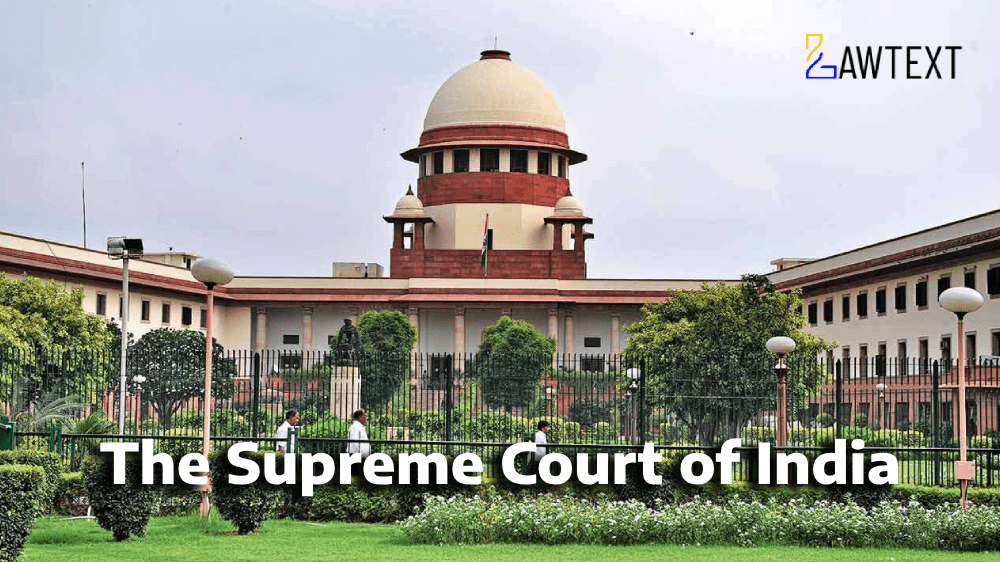
Case Note & Summary
The dispute arose from unauthorized occupation of Gram Panchayat land in Haryana, specifically Khasra Nos. 61/2 and 62, which was earmarked for a school and playground. The contesting respondents, original writ petitioners, had encroached upon this land, leading to eviction proceedings initiated under Section 7(2) of the Punjab Village Common Land (Regulation) Act. The Assistant Collector issued an ejectment order in 2011, upheld by the Collector and Commissioner on appeal. The respondents then filed a civil writ petition before the High Court of Punjab and Haryana, seeking to quash these orders. During proceedings, they offered to provide equivalent land or pay market price, prompting the High Court to direct the Gram Panchayat to consider their claims under Rule 12 of the Punjab Village Common Land (Regulation) Rules, 1964, and legalize the occupation on payment. The State of Haryana appealed to the Supreme Court against this decision. The core legal issue was whether the High Court erred in allowing legalization of unauthorized occupation of public land reserved for educational purposes. The appellants argued that such legalization defeats public interest and the statutory reservation, while the respondents contended for regularization based on their offers. The Supreme Court analyzed the facts, including a fresh demarcation report ordered by it, which confirmed the encroachment of approximately 5 kanal 4 marla of land and the absence of a playground. The court reasoned that unauthorized occupation of land earmarked for a school and playground cannot be legalized, as it compromises public welfare and the environment for students. It found the High Court's directions impractical, as segregation of land was not feasible and no alternative land was available. Consequently, the Supreme Court quashed the High Court's order, holding it unsustainable, but granted the encroachers 12 months to vacate, with a directive for authorities to remove them if they fail to comply.
Headnote
A) Land Law - Unauthorized Occupation - Legalization of Encroachment - Punjab Village Common Land (Regulation) Act, 1961, Section 7(2) and Rules, 1964, Rule 12 - Contesting respondents were in unauthorized possession of Gram Panchayat land earmarked for school and playground - High Court directed legalization on payment of market price or offering alternative land - Supreme Court held that unauthorized occupation of land reserved for public purposes cannot be legalized as it undermines public interest and statutory reservation, and such directions are unsustainable (Paras 4-5). B) Civil Procedure - Judicial Review - Implementation of Directions - Code of Civil Procedure, 1908 - High Court issued directions to segregate vacant land from residential houses for school use - Supreme Court found these directions not capable of implementation due to the nature of encroachments and lack of available land - Held that impractical directions must be quashed to prevent futility and ensure effective relief (Paras 3.4-4.1). C) Land Law - Eviction Proceedings - Time for Vacation - Punjab Village Common Land (Regulation) Act, 1961 - Unauthorized encroachers were granted 12 months to vacate the land after Supreme Court quashed High Court order - Court ordered that if they fail to vacate within one year, authorities must remove their illegal occupation - This balances immediate eviction with a grace period for compliance (Para 5).
Issue of Consideration
Whether the High Court erred in directing the legalization of unauthorized occupation of Gram Panchayat land reserved for school and playground under the Punjab Village Common Land (Regulation) Act, 1961, and its Rules, by allowing encroachers to pay market price or offer alternative land.
Final Decision
Supreme Court quashed and set aside the impugned judgment and order of the High Court, granted original writ petitioners 12 months to vacate the land, and directed authorities to remove unauthorized occupation if they fail to vacate within one year.
Law Points
- Unauthorized occupation of Gram Panchayat land earmarked for public purposes like school and playground cannot be legalized
- even on payment of market price
- as it defeats the public interest and statutory intent of land reservation
- and courts must prioritize public welfare over private encroachments.