
Case Note & Summary
The Supreme Court of India restored criminal proceedings against accused persons in a case involving evidence tampering in an NDPS matter from 1990. It overturned a Kerala High Court decision quashing these proceedings, emphasizing that judicial integrity cannot be compromised and directing the trial to be expedited within one year.
1. Case Background Origin: The case stems from a 1990 NDPS incident involving an Australian national, Andrew Salvatore, caught with charas at Thiruvananthapuram Airport. Seized Item: An item of evidence, the accused’s underwear (Mo2), was allegedly tampered with during the judicial process, casting doubt on its authenticity. 2. High Court's Judgment (2023) The Kerala High Court quashed the proceedings in Crime No. 215/1994, citing Section 195(1)(b) CrPC, which bars prosecution without a court complaint. It directed administrative steps under Section 195 but quashed the criminal case entirely. 3. Supreme Court Appeal (2024) SLP Filed by M.R. Ajayan: A journalist contested the High Court's decision, highlighting the importance of judicial scrutiny in evidence tampering cases. SLP Filed by Antony Raju: An accused in the case appealed against the High Court's directive for de novo proceedings. 4. Supreme Court's Findings On Locus Standi: The journalist had the right to approach the court, as tampering with judicial evidence undermines justice. On Bar Under Section 195 CrPC: The bar does not apply here because the proceedings originated from judicial directives, ensuring the case's legitimacy. On De Novo Proceedings: The Supreme Court upheld the need for retrial given the gravity of the allegations. 5. Court Directions The Supreme Court reinstated the proceedings, emphasizing that judicial integrity is paramount. Directed the trial to conclude within one year and set a deadline for the accused to appear in court. Acts and Sections Discussed Narcotics Drugs and Psychotropic Substances Act, 1985: Section 20(b)(ii) concerning possession of narcotics. Indian Penal Code (IPC): Sections 120B (criminal conspiracy), 193 (false evidence), 201 (causing disappearance of evidence), 217 (disobedience by a public servant), and 420 (cheating). Code of Criminal Procedure (CrPC): Section 195(1)(b), which bars certain prosecutions unless initiated by a court complaint. Legal Ratio: Judicial Supervision of Evidence Tampering: The judiciary must protect its processes from manipulation, as such acts erode trust in justice. Scope of Section 195 CrPC: This provision does not preclude action initiated under judicial directives, even if evidence tampering occurred. Fair Trial Principles: Exceptional circumstances, such as significant procedural violations, justify retrial to avert miscarriage of justice. Subjects:Criminal Law, Evidence Tampering, Judicial Integrity
#NDPSAct #EvidenceTampering #JudicialProcess #Retrial
Issue of Consideration
M.R. AJAYAN VERSUS STATE OF KERALA & ORS.
Subscribe to unlock Issue of Consideration
Subscribe Now
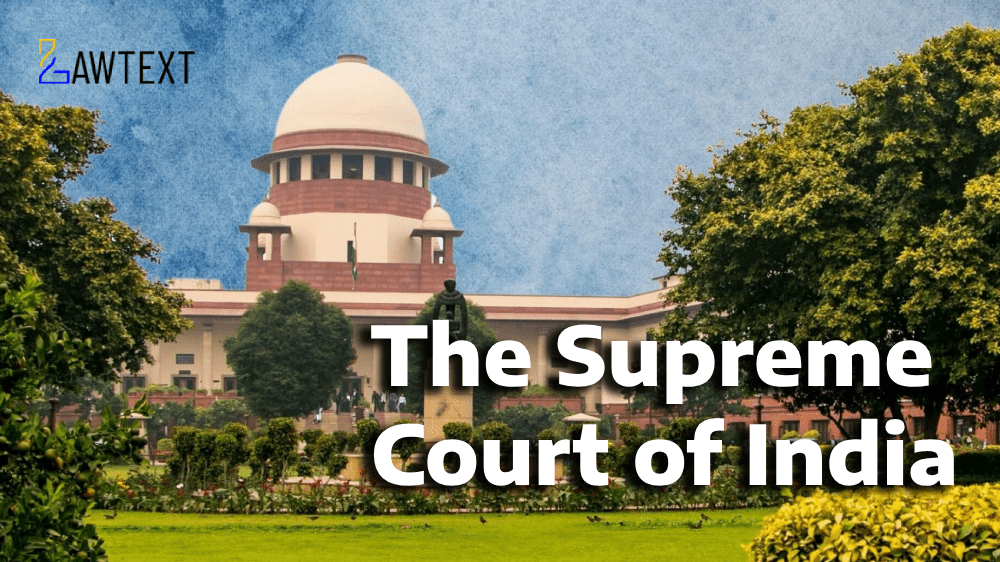
Supreme Court
"Supreme Court Restores Criminal Proceedings in Decades-Old NDPS Evidence Forgery Case" "Ensuring justice amidst allegations of tampering with judicial processes."
2026-05-12 18:10:17

High Court
Court Dismisses Applications with Costs for Misuse of Legal Process. High Court imposes costs for frivolous complaints seeking to pressurize public servants in the Jalgaon land acquisition case.
2026-05-12 18:10:14




