
Case Note & Summary
The Supreme Court of India overturned the conviction of the appellant under Sections 294(b), 341, and 302 IPC, holding that the High Court erred in convicting the appellant based solely on unreliable testimony while acquitting co-accused persons in the same incident. The Court emphasized the principles of caution in evaluating evidence from interested witnesses and rejected the conviction based on conjectures and surmises.
1. Introduction and Background Para 1-2: Leave granted. The appeal arises from the judgment dated 1st November 2019 of the Madurai Bench of the Madras High Court, upholding the appellant's conviction under Sections 294(b), 341, and 302 IPC but acquitting him under Section 506(ii) IPC. 2. Case Facts Para 3.1: Incident of 15-16 May 2015 at Immanuel Church. FIR was lodged against the appellant and two others by PW-1 alleging murder and assault. Para 3.2-3.3: Investigation conducted by police officers PW-18 and PW-19. Charges are framed based on witness testimony and material evidence. Trial court convicted the appellant while the High Court partly upheld the conviction. 3. Trial Court and High Court Findings Para 3.4: The trial court convicted the appellant under Sections 294(b), 341, 302, and 506(ii) IPC; and sentenced to life imprisonment for murder. High Court acquitted the co-accused under Section 506(ii) IPC, retaining the appellant's conviction under other sections. 4. Appellant’s Contentions Para 5: Counsel argued inconsistency in the High Court’s reliance on PW-1’s testimony. The conviction of the appellant while acquitting others on the same evidence was unjust. 5. Respondent’s Contention Para 6: State opposed, highlighting concurrent findings of guilt and urged no interference. 6. Supreme Court's Analysis Para 8-9: Highlighted inconsistency in the High Court’s reliance on PW-1’s testimony. Doubts were raised about the ability of PW-1 to witness the incident 300 meters away. Para 10-11: Emphasized that conviction cannot rest solely on conjectures and surmises, especially when co-accused were acquitted based on the same testimony. Para 13-14: Noted PW-1’s status as an interested witness; his testimony required greater scrutiny. He found his evidence unreliable. Para 15: Recovery of the knife from an open space deemed insufficient as corroborative evidence. 7. Conclusion Para 16-17: The Supreme Court quashed the High Court’s judgment and acquitted the appellant, emphasizing that the benefit of the doubt must be uniformly applied. Acts and Sections Discussed: Indian Penal Code (IPC), 1860 Section 294(b): Obscene acts and songs Section 341: Wrongful restraint Section 302: Murder Section 506(ii): Criminal intimidation Ratio Decidendi: Unreliable Sole Testimony: Conviction based solely on the testimony of an interested witness, deemed unreliable for other co-accused, cannot be sustained for the appellant. Principle of Consistency: Application of benefit of doubt must be uniform when the same evidence is considered for co-accused and appellant. No Conviction on Conjectures: Conviction cannot rest on assumptions without corroborative evidence. Subjects:Criminal Law, Evidence, Principles of Fair Trial#MurderCase #IndianPenalCode #CriminalTrial #Acquittal
Issue of Consideration
GEORGE VERSUS THE STATE OF TAMILNADU AND OTHERS
Subscribe to unlock Issue of Consideration
Subscribe Now
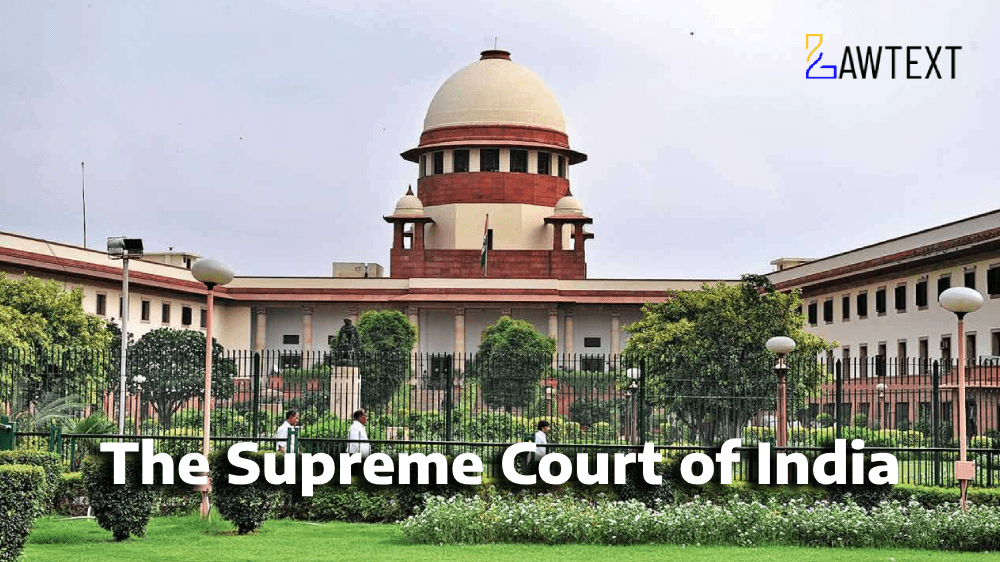
Supreme Court
Supreme Court Acquits Accused in Murder Case, Citing Unreliable Testimony. Conviction based solely on unreliable evidence overturned; benefit of doubt extended.
2026-05-03 06:20:28
Supreme Court
Supreme Court Intervenes in West Bengal University Vice-Chancellor Appointment Dispute. To ensure transparency and fairness, the Supreme Court appoints Hon'ble Mr. Justice Uday Umesh Lalit as Chairperson of newly constituted Search-cum-Selection Comm...
2026-05-03 06:20:20




