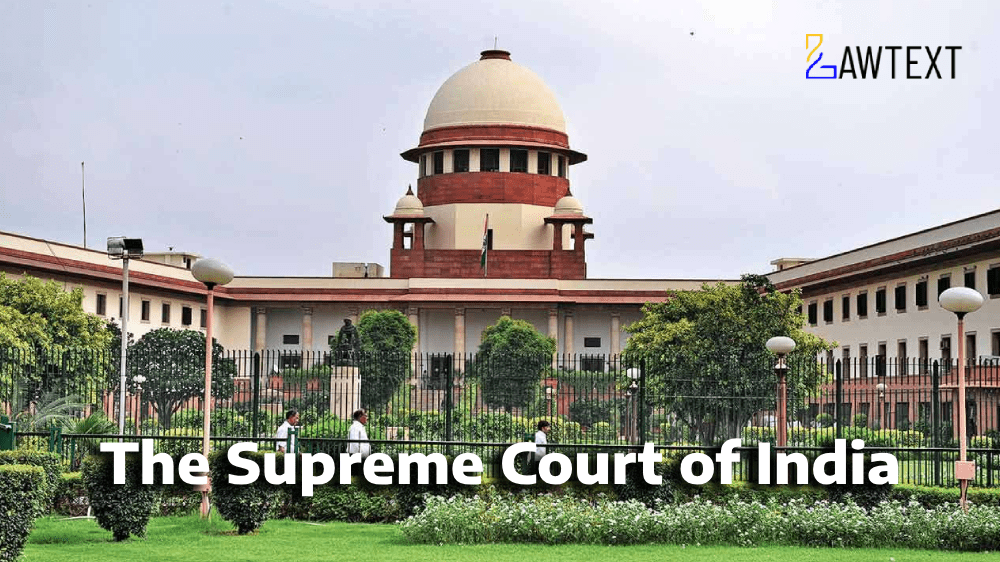
Supreme Court Allows State's Appeal in Stipend Parity Case Between Ayurveda and Allopathy Post-Graduate Students. High Court's Mandamus for Equal Stipend Quashed as Duties Differ Under Principle of Equal Pay for Equal Work, Citing Precedent in State of Gujarat v. Dr. P.A. Bhatt.

  • 4
Judgement Image
Font size:
Print

Case Note & Summary

The Supreme Court heard an appeal by the State challenging a High Court judgment that allowed a writ petition filed by Ayurveda post-graduate students seeking stipend parity with Allopathy post-graduate students. The students contended discrimination as they performed similar duties, but the State argued the duties were not comparable. The Court considered the precedent in State of Gujarat v. Dr. P.A. Bhatt, where it was held that Ayurveda and Allopathy doctors do not perform equal work, thus not entitled to equal pay. In that case, a comparative chart highlighted differences such as emergency duties, surgery, and nature of treatment, which the High Court had overlooked. The Supreme Court analyzed these differences, noting that Allopathy doctors handle emergencies and trauma care, which Ayurveda doctors cannot perform due to the nature of their science. It concluded that the duties are not equal, making the High Court's order unsustainable. The appeal was allowed, quashing the High Court judgment and dismissing the writ petition, with the Court emphasizing that while promoting indigenous medicine, equal pay requires equal work, which was not established here.

Headnote

A) Constitutional Law - Equality and Non-Discrimination - Article 14 of the Constitution of India - Equal Pay for Equal Work - Dispute pertained to stipend discrimination between Ayurveda and Allopathy post-graduate students - Court held that duties discharged by Ayurveda students are not comparable to Allopathy students, thus no violation of equality - Held that classification based on nature of duties is reasonable and not discriminatory (Paras 2-12).

B) Administrative Law - Judicial Review - Mandamus and Stipend Parity - Writ Petition No. 6415 of 2015 - High Court had directed state to treat Ayurveda students at par with Allopathy students in stipend - Supreme Court quashed the High Court order, finding it unsustainable due to differing duties - Appeal allowed, writ petition dismissed (Paras 2-14).

Subscribe to unlock Headnote Subscribe Now

Issue of Consideration

Whether Post-Graduate students in Ayurveda stream are entitled to stipend at par with Post-Graduate students in Allopathy stream under the principle of equal pay for equal work

Subscribe to unlock Issue of Consideration Subscribe Now

Final Decision

Appeal allowed, impugned judgment and order quashed and set aside, Writ Petition No. 6415 of 2015 dismissed

Law Points

  • Equal pay for equal work principle
  • discrimination in stipend based on nature of duties
  • classification of medical streams
  • judicial review of administrative decisions
Subscribe to unlock Law Points Subscribe Now

Case Details

2024 LawText (SC) (1) 02

CIVIL APPEAL NO. 17 OF 2024 [Arising out of SLP (CIVIL) No.105 of 2024] Diary No.20723 of 2021]

2024-01-02

B.R. Gavai

Mr. Saurabh Mishra, Mr. Sandeep S. Tiwari

State

Students pursuing Master’s Degree Course in Ayurveda from Autonomous Ayurveda College

Subscribe to unlock Case Details (Citation, Judge, Date & more) Subscribe Now

Nature of Litigation

Appeal against High Court judgment allowing writ petition for stipend parity

Remedy Sought

State seeks quashing of High Court order granting equal stipend to Ayurveda and Allopathy post-graduate students

Filing Reason

High Court found State indulging in discriminatory practice by not providing equal stipend

Previous Decisions

High Court allowed Writ Petition No. 6415 of 2015, directing State to treat Ayurveda students at par with Allopathy students in stipend

Issues

Whether Post-Graduate students in Ayurveda stream are entitled to stipend at par with Post-Graduate students in Allopathy stream under the principle of equal pay for equal work

Submissions/Arguments

Appellant argued duties differ based on precedent State of Gujarat v. Dr. P.A. Bhatt Respondents argued High Court correctly found discrimination and no interference warranted

Ratio Decidendi

Equal pay for equal work requires comparable duties; Ayurveda and Allopathy post-graduate students perform different duties, thus no entitlement to equal stipend under Article 14

Judgment Excerpts

the High Court observed that the State had failed to establish that the students pursuing Post Graduate course in Ayurveda are of different class than that of students pursuing Post Graduate course in Allopathy this Court, in the case of State of Gujarat and Others v. Dr. P.A. Bhatt and Others, has held that the duties discharged by the Post Graduate students in Ayurveda stream cannot be equated with the duties discharged by the Post Graduate students in Allopathy stream both categories of doctors are certainly not performing equal work to be entitled to equal pay

Procedural History

Writ Petition No. 6415 of 2015 filed in High Court, allowed on 19 November 2019; State appealed to Supreme Court; leave granted; appeal heard and allowed

Acts & Sections

  • Constitution of India: Article 14
Subscribe to unlock full Legal Analysis Subscribe Now
Related Judgement
Supreme Court Supreme Court Allows State's Appeal in Stipend Parity Case Between Ayurveda and Allopathy Post-Graduate Students. High Court's Mandamus for Equal Stipend Quashed as Duties Differ Under Principle of Equal Pay for Equal Work, Citing Precedent in State ...
Related Judgement
Supreme Court Supreme Court Allows Claimants' Appeal in Motor Accident Case, Reinstates Tribunal Award Against Insurance Company. The Court held that delay in recording witness testimony alone does not discredit evidence, and negligence is determined on prepondera...