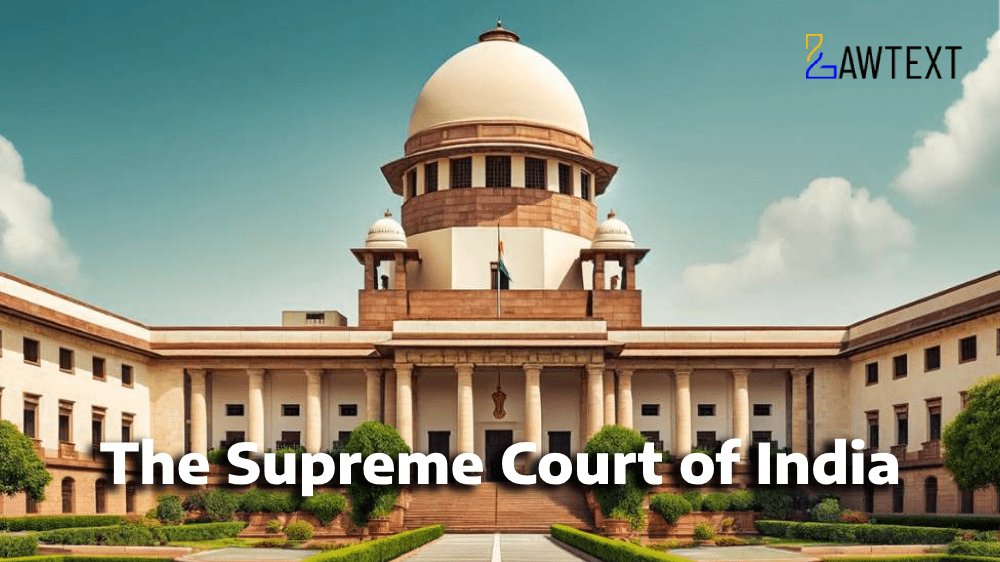
Supreme Court Dismisses Appellant in Housing Allotment Case Over Scheduled Tribe Reservation. The Court upheld the lower courts' decrees, ruling that reservation benefits under Articles 341 and 342 of the Constitution of India are confined to the State or Union Territory of origin, and migrants cannot claim such benefits in another jurisdiction without a corresponding Presidential Order.

  • 3
Judgement Image
Font size:
Print

Case Note & Summary

The dispute arose from an advertisement dated 28.06.1983 by the Chandigarh Housing Board, calling for applications for allotment of houses with reservation for Scheduled Castes and Scheduled Tribes under Regulation 25 of the Chandigarh Housing Board (Allotment, Management and Sale of Tenements) Regulations, 1979. The respondent, belonging to a Scheduled Tribe community recognized in Rajasthan but residing in Chandigarh, applied but was not allotted a house due to administrative confusion over reservation for Scheduled Tribes in Chandigarh, where no Presidential Order under Article 342 of the Constitution had been issued for Scheduled Tribes. The respondent filed Civil Suit No. 327/1984 seeking a declaration against the non-allotment, which was decreed by the trial court on 09.01.1986, affirmed by the First Appellate Court, and upheld by the High Court in Regular Second Appeal No. 1570/1991. The appellant appealed to the Supreme Court, arguing that without a Presidential Order for Scheduled Tribes in Chandigarh, the respondent could not claim benefits based on his status from Rajasthan, citing precedents like Marri Chandra Shekhar Rao vs. Dean, Seth G. S. Medical College. The respondent contended that migrants could derive benefits from their State of origin, relying on a letter from the Ministry of Welfare and the case of Director, Transport Department vs. Abhinav Dipakbhai Patel. The Court analyzed Articles 341 and 342, emphasizing that Presidential Orders are essential for recognizing Scheduled Castes and Tribes, and benefits are tied to the specified State or Union Territory. It held that the respondent, as a migrant from Rajasthan, could not enforce his Scheduled Tribe status in Chandigarh due to the absence of a Presidential Order there, but noted that the lower courts had correctly decreed in his favor based on the advertisement and administrative letters, leading to the dismissal of the appeal.

Headnote

A) Constitutional Law - Scheduled Tribes - Reservation Benefits - Articles 341, 342 Constitution of India - Dispute pertained to allotment of a house reserved for Scheduled Tribes in Chandigarh, where no Presidential Order under Article 342 existed for Scheduled Tribes - The appellant argued that the respondent, a migrant from Rajasthan, could not claim benefits in Chandigarh based on his Scheduled Tribe status from Rajasthan - The Court held that reservation benefits under Articles 341 and 342 are confined to the State or Union Territory specified in the Presidential Order, and migrants cannot carry such benefits to another jurisdiction without a corresponding Order - The appeal was dismissed, upholding the lower courts' decrees in favor of the respondent (Paras 10-15).

Subscribe to unlock Headnote Subscribe Now

Issue of Consideration

Whether a person belonging to a Scheduled Tribe community recognized in one State (Rajasthan) can claim reservation benefits in another Union Territory (Chandigarh) where no Presidential Order under Article 342 of the Constitution of India has been issued for Scheduled Tribes

Subscribe to unlock Issue of Consideration Subscribe Now

Final Decision

The Supreme Court dismissed the appeal, upholding the lower courts' decrees in favor of the respondent

Law Points

  • Presidential Orders under Articles 341 and 342 of the Constitution of India are essential for recognizing Scheduled Castes and Scheduled Tribes
  • reservation benefits are tied to the State or Union Territory of origin
  • and migrants cannot carry such benefits to another State or Union Territory without a corresponding Presidential Order
Subscribe to unlock Law Points Subscribe Now

Case Details

2024 LawText (SC) (2) 16

Civil Appeal @ SLP (C) No.1663 of 2019

2024-02-07

[B.V. NAGARATHNA J. , AUGUSTINE GEORGE MASIH J.]

Mrs. Rachana Joshi Issar, Shri Shivendra Singh

Chandigarh Housing Board

TARSEM LAL

Subscribe to unlock Case Details (Citation, Judge, Date & more) Subscribe Now

Nature of Litigation

Civil suit for declaration regarding non-allotment of a house reserved for Scheduled Tribes

Remedy Sought

Respondent sought a declaration that the appellant's decision to not allot houses earmarked for Scheduled Tribes was mala fide and entitlement to allotment

Filing Reason

Non-allotment of a house to the respondent despite application under advertisement for Scheduled Tribes reservation

Previous Decisions

Trial court decreed suit on 09.01.1986, First Appellate Court dismissed appeal, High Court dismissed Regular Second Appeal No. 1570/1991

Issues

Whether a person belonging to a Scheduled Tribe community recognized in one State can claim reservation benefits in another Union Territory where no Presidential Order under Article 342 has been issued for Scheduled Tribes

Submissions/Arguments

Appellant argued that without Presidential Order for Scheduled Tribes in Chandigarh, respondent cannot claim benefits based on status from Rajasthan, citing precedents Respondent argued that migrants can derive benefits from State of origin, relying on government letters and case law

Ratio Decidendi

Reservation benefits under Articles 341 and 342 of the Constitution of India are confined to the State or Union Territory specified in the Presidential Order, and migrants cannot carry such benefits to another jurisdiction without a corresponding Presidential Order

Judgment Excerpts

Leave granted. Being aggrieved by judgment dated 10.08.2018 passed by the High Court of Punjab and Haryana at Chandigarh, the appellant/Chandigarh Housing Board has preferred this appeal. The respondent instituted Civil Suit No. 327/1984 in the Court of Senior Sub Judge, Chandigarh seeking a declaration that the appellant’s decision to not allot houses earmarked for Scheduled Tribes was mala fide. We have considered the arguments advanced at the bar in relation to the facts of the case and the judgments of this Court.

Procedural History

Respondent filed Civil Suit No. 327/1984; trial court decreed suit on 09.01.1986; appellant filed Civil Appeal No. 295/1990, dismissed; appellant filed Regular Second Appeal No. 1570/1991 before High Court, dismissed on 10.08.2018; appellant filed appeal to Supreme Court as Civil Appeal @ SLP (C) No.1663 of 2019

Acts & Sections

  • Constitution of India: Articles 341, 342
  • Chandigarh Housing Board (Allotment, Management and Sale of Tenements) Regulations, 1979: Regulation 25
Subscribe to unlock full Legal Analysis Subscribe Now
Related Judgement
Supreme Court Supreme Court Dismisses Appellant in Housing Allotment Case Over Scheduled Tribe Reservation. The Court upheld the lower courts' decrees, ruling that reservation benefits under Articles 341 and 342 of the Constitution of India are confined to the Sta...
Related Judgement
High Court Legal Heirs and Tenant Rights: A Case of Bonafide Requirement Amid Successive Legal Battles. A nuanced exploration of tenancy rights, successor claims, and bonafide need in the High Court of Bombay.