Case Note & Summary
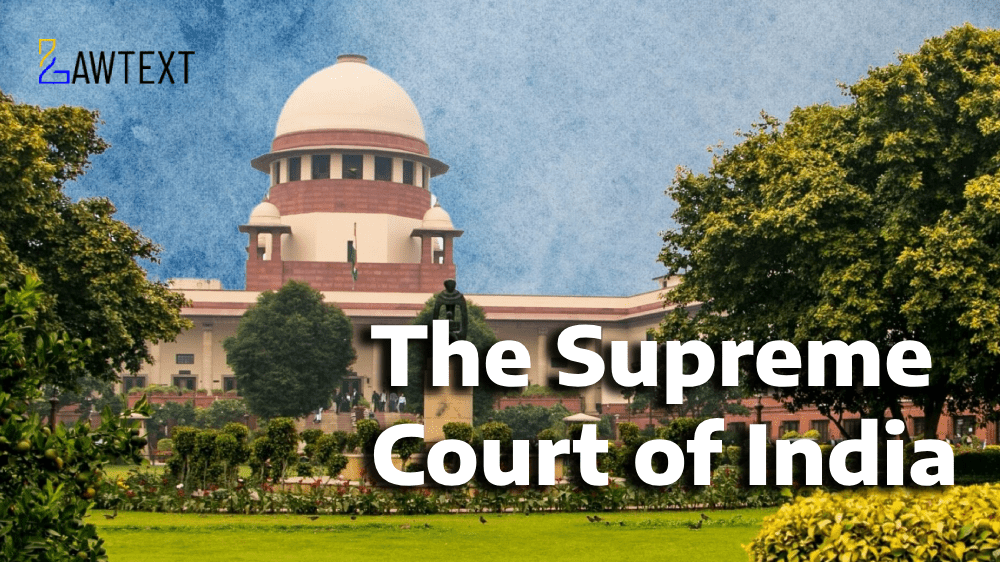
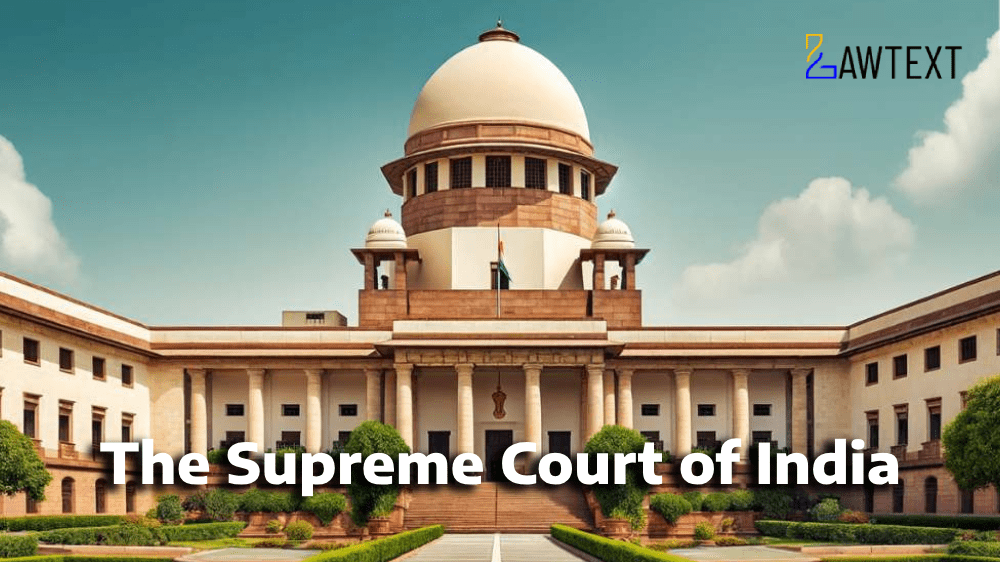
The dispute originated from an original application filed before the National Green Tribunal, Chennai, by a resident concerning the non-installation of Vapour Recovery Systems in petroleum outlets. The NGT, in its order dated 23 December 2021, directed the Central Pollution Control Board and State Pollution Control Boards to issue directions making it mandatory for new and existing petroleum retail outlets to obtain Consent to Establish and Consent to Operate under environmental statutes. Several oil marketing companies, including Reliance BP Mobility Limited, appealed to the Supreme Court, challenging these specific directions while not disputing the VRS installation mandates. The core legal issues revolved around whether the NGT had overstepped its jurisdiction by issuing legislative-type directions and whether such consent requirements were warranted for outlets classified in the green zone. The appellants argued that the directions were legislative in nature, conflicted with CPCB's industry reclassification, and imposed unnecessary hardships given existing comprehensive guidelines and approvals. The respondent, the original applicant, defended the NGT's order as necessary for environmental protection. The Supreme Court analyzed the NGT's adjudicatory role under the National Green Tribunal Act, 2010, emphasizing the separation of powers and the tribunal's inability to perform legislative functions. It noted that petroleum retail outlets fall within the green category where CTE and CTO are not mandatory, and that CPCB guidelines already address environmental concerns. The Court concluded that the impugned directions amounted to judicial overreach and were inconsistent with established regulatory frameworks. Accordingly, the Supreme Court allowed the appeals, setting aside the NGT's directions regarding CTE and CTO, while leaving other parts of the order intact.
Headnote
A) Environmental Law - National Green Tribunal Jurisdiction - Legislative Function - National Green Tribunal Act, 2010 - The Supreme Court considered whether the NGT's directions mandating Consent to Establish and Consent to Operate for petroleum retail outlets constituted a legislative function beyond its jurisdiction. The Court held that such directions, which effectively create new regulatory requirements, encroach upon legislative domain and are impermissible. The NGT's role is adjudicatory, not legislative, and it cannot enact laws under the guise of judicial orders. (Paras 9-11) B) Environmental Law - Pollution Control Compliance - Consent to Establish and Consent to Operate - Environment (Protection) Act, 1986, Water (Prevention and Control of Pollution) Act, 1974, Air (Prevention and Control of Pollution) Act, 1981 - The Court examined whether petroleum retail outlets, classified in the green zone, must obtain CTE and CTO. It found that existing CPCB guidelines and multiple other approvals already ensure environmental compliance, making additional consent requirements unnecessary and burdensome. The directions were set aside as conflicting with the CPCB's reclassification and causing undue hardship. (Paras 11-12)
Issue of Consideration
Whether the National Green Tribunal can issue directions which are in the nature of legislative functions, and whether petroleum retail outlets are required to obtain Consent to Establish and Consent to Operate under environmental laws.
Final Decision
Supreme Court allowed the appeals and set aside the directions in para 69(iii) and para 69(iv) of the NGT order regarding CTE and CTO.
Law Points
- Judicial review of NGT orders
- separation of powers
- legislative function of tribunals
- environmental compliance mechanisms
- interpretation of pollution control laws