Case Note & Summary
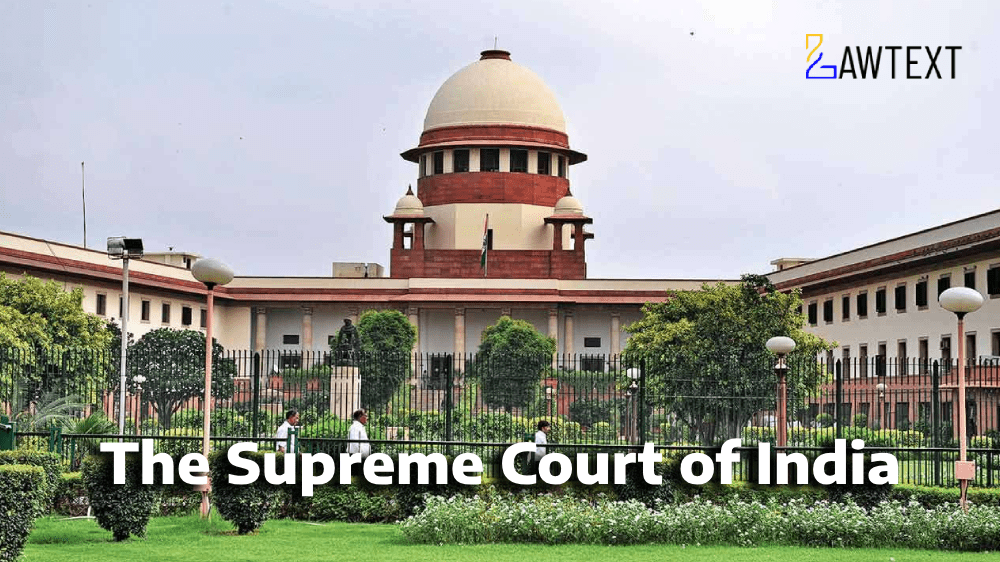
The Supreme Court of India dealt with a petition filed by the Supreme Court Bar Association (SCBA) under Article 32 of the Constitution, seeking a writ of mandamus to direct the Union Ministry of Urban Development to convert a 1.33-acre land parcel near ITO, allotted to the Supreme Court for archives, entirely into a chamber block for lawyers. The SCBA argued that the growing number of advocates required more chambers, and the land was the last vacant piece near the court. The Supreme Court Advocates on Record Association (SCAORA) and the Bar Council of India also participated, with SCAORA emphasizing the needs of Advocates on Record and the Bar Council seeking space for its statutory functions under the Advocates Act 1961. Both SCAORA and the Bar Council preferred administrative resolution. The Attorney General for India supported administrative handling. The court noted that the land was allotted in 2017 for archives, with 0.50 acres earmarked for lawyers' chambers in 2018, and land use was changed to 'Government Office' in 2019 under the Delhi Development Act 1957. The court analyzed whether the petition under Article 32 was maintainable and if the issue should be resolved judicially or administratively. It held that the petition was not appropriate under Article 32 as the matter involved administrative decision-making on land allocation, balancing the needs of lawyers, litigants, and court staff. The court emphasized that such issues require holistic stakeholder consideration and cannot be adjudicated by judicial standards. Consequently, the court dismissed the petition, directing that the matter be taken up on the administrative side for further deliberation with stakeholders.
Headnote
A) Constitutional Law - Article 32 - Writ of Mandamus - Maintainability - Constitution of India, 1950, Article 32 - Petition sought mandamus for conversion of land to lawyers' chambers - Court held petition not appropriate under Article 32 as issue involves administrative decision-making on land allocation, not judicial adjudication - Directed matter to be addressed administratively (Paras 18-20). B) Administrative Law - Supreme Court Functions - Judicial vs Administrative Side - Constitution of India, 1950 - Dispute over land use for lawyers' chambers vs archives - Court emphasized Supreme Court discharges both judicial and administrative functions - Issues of land allocation and change of use are administrative matters requiring holistic stakeholder balancing - Held such matters cannot be resolved by judicial standards and must be taken up on administrative side (Paras 19-20). C) Property Law - Land Use and Allocation - Delhi Development Act, 1957, Section 11A(2) - Land admeasuring 1.33 acres allotted for Supreme Court Archives, with 0.50 acres earmarked for lawyers' chambers - Petitioner sought entire land for chambers - Court noted land use changed to 'Government Office' per Master Plan of Delhi - Held petitioner cannot assert right to entirety of land as allocation involves balancing needs of multiple stakeholders including lawyers, litigants, and court staff - Matter to be resolved administratively (Paras 12-13, 20).
Issue of Consideration
Whether a petition under Article 32 of the Constitution is maintainable to direct the Union Ministry of Urban Development to convert land allotted for the Supreme Court Archives into a chamber block for lawyers, and whether such issues should be resolved judicially or administratively.
Final Decision
Petition dismissed; matter to be taken up on administrative side for deliberation with stakeholders
Law Points
- Article 32 of the Constitution of India
- writ of mandamus
- administrative functions of the Supreme Court
- allocation of land for Supreme Court Archives
- change of land use under Delhi Development Act 1957
- role of lawyers and litigants as stakeholders in justice delivery