
Case Note & Summary
The judgment provides a detailed legal analysis of the powers and functions of the Lieutenant Governor (Lt. Governor) of the National Capital Territory of Delhi (NCTD) concerning the nomination of members to the Delhi Municipal Corporation (DMC). The key issue addressed is whether the Lt. Governor can exercise the power of nomination independently or is bound by the aid and advice of the Council of Ministers of NCTD as per Article 239AA(4) of the Constitution.
Introduction Section 3(3)(b)(i) of the DMC Act: Lt. Governor’s role in nominating 10 persons with special knowledge to the DMC. Key Issue: Whether Lt. Governor’s nomination power is independent or requires Council of Ministers' aid and advice. Facts Recent DMC Elections: Aam Aadmi Party's majority and subsequent nominations by the Lt. Governor. Contestation: Writ petition filed by NCTD Government challenging the Lt. Governor’s nominations. Legal Framework and Judicial Interpretations Article 239AA: Distribution of legislative and executive powers between Parliament and NCTD Legislative Assembly. GNCTD Act, 1991: Further details on the roles of Lt. Governor and the Council of Ministers. Judicial Precedents: Analysis of 2018 and 2023 Constitution Bench judgments clarifying the legislative and executive competencies of NCTD. Key Legal Arguments NCTD Government's Position: Lt. Governor should act on the aid and advice of the Council of Ministers unless expressly required to act independently by law. Role of Lt. Governor: Examination of Section 3(3)(b)(i) and its statutory implications post-1993 amendments to the DMC Act. Supreme Court’s Analysis Statutory Duty: Lt. Governor’s nomination power as a statutory duty under the DMC Act, not subject to Council of Ministers' aid and advice. Parliamentary Enactment: Recognition of the DMC Act as a Parliamentary enactment delineating the Lt. Governor's independent role. Conclusion Writ Petition Decision: Dismissal of the writ petition challenging the Lt. Governor’s nominations. Legal Implications: Affirmation of the Lt. Governor’s statutory duty to nominate without requiring the Council of Ministers' aid and advice.This judgment is pivotal in understanding the legal interpretation of the Lt. Governor’s powers in Delhi and the intricate balance of authority between the Union Government and the Government of NCTD.
Issue of Consideration
GOVERNMENT OF NCT OF DELHI VERSUS OFFICE OF LIEUTENANT GOVERNOR OF DELHI
Subscribe to unlock Issue of Consideration
Subscribe Now
Supreme Court
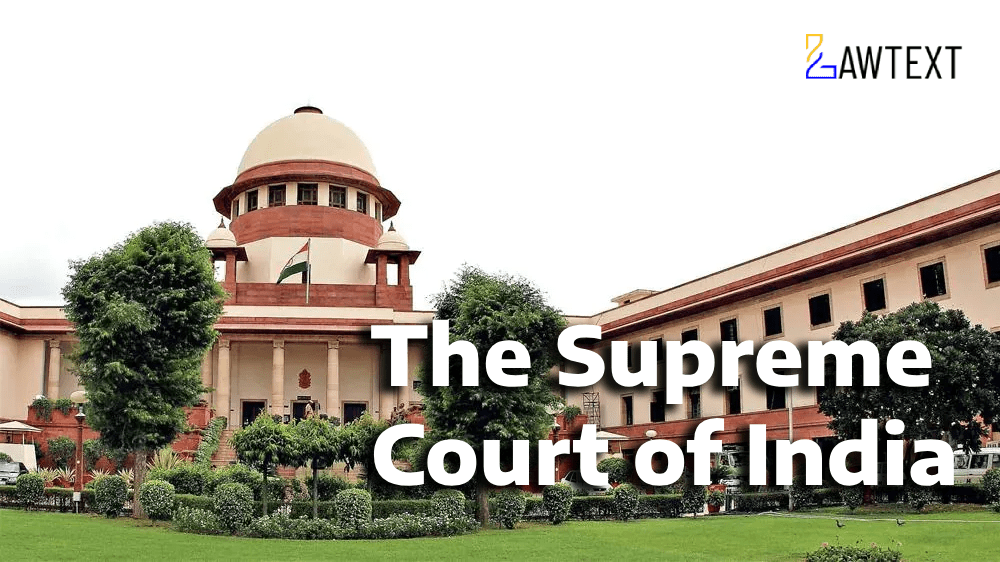
Delhi Lieutenant Governor’s Nomination Powers: A Legal Examination. Supreme Court's analysis on the discretionary powers of the Lt. Governor in nominating members to the Delhi Municipal Corporation amid constitutional and legislative frameworks.
2026-05-04 09:29:07
Supreme Court
Supreme Court Upholds Inherent Powers of Courts to Recall Insufficiently Stamped Evidence. Key Judgment on the Reassessment of Admitted Documents in Civil Proceedings to Prevent Revenue Loss
2026-05-04 09:29:07




