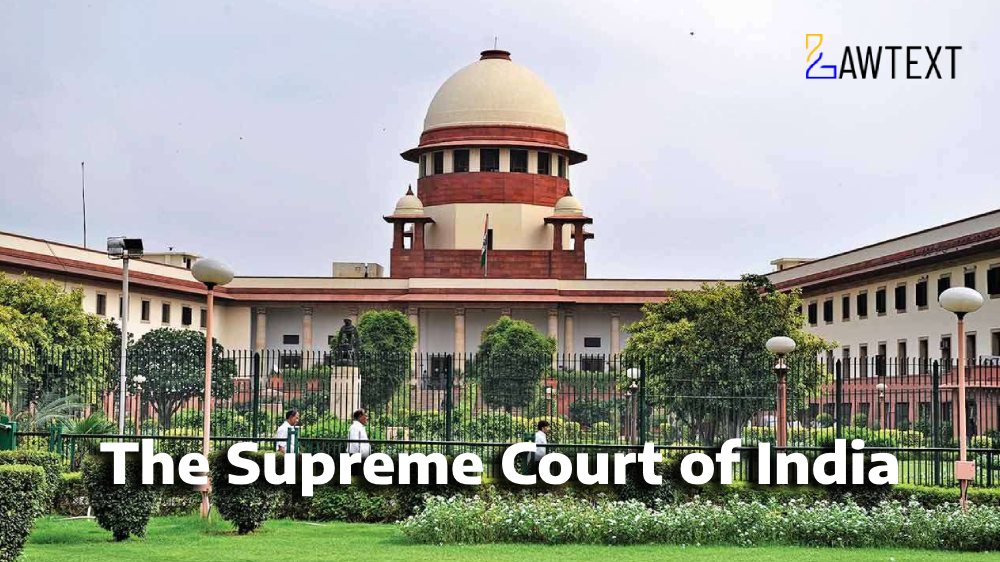
Case Note & Summary
The Supreme Court dealt with appeals arising from a High Court judgment that quashed an FIR under Section 482 of the Code of Criminal Procedure, 1973, except for allegations under Section 385 of the Indian Penal Code, 1860, against two respondents. The dispute originated from a property transaction where the appellant alleged purchase of land from Shamjibhai Jesabhai Koli in 1999, with subsequent conflicts involving his daughters (second and third respondents) who filed a civil suit for cancellation of the sale deed. The appellant lodged an FIR in 2016 against multiple respondents, including the daughters and others, alleging offences under Sections 465, 467, 468, and 120B IPC, related to forgery and conspiracy. Prior to this, an FIR had been registered against the appellant by the second respondent. The High Court quashed the FIR against most respondents, finding that the allegations did not constitute criminal offences but were civil in nature, while permitting investigation to continue under Section 385 IPC against the fourth and fifth respondents for alleged extortion demands. The Supreme Court upheld the High Court's decision, reasoning that the execution of powers of attorney and settlement deeds by the second and third respondents did not amount to forgery or cheating, as these matters could be adjudicated in civil proceedings. The Court found that the High Court correctly exercised its inherent powers under Section 482 CrPC to prevent abuse of process, and that a prima facie case under Section 385 IPC was made out against the fourth and fifth respondents based on allegations of demanding money for compromise. The appeals were dismissed, affirming the High Court's judgment.
Headnote
A) Criminal Procedure - Quashing of FIR - Section 482 CrPC - Code of Criminal Procedure, 1973, Section 482 - The Supreme Court considered the High Court's quashing of an FIR under Section 482 CrPC, except for allegations under Section 385 IPC against two respondents. The Court upheld the High Court's decision, finding that the allegations against most respondents did not constitute criminal offences but were civil in nature, while a prima facie case of extortion was made out against two respondents. Held that the High Court correctly exercised its inherent powers to prevent abuse of process (Paras 1-11). B) Indian Penal Code - Extortion - Section 385 IPC - Indian Penal Code, 1860, Section 385 - The High Court found that allegations against the fourth and fifth respondents, involving demands for money to enter into a compromise, prima facie satisfied the ingredients of Section 385 IPC for attempt to commit extortion. The Supreme Court did not disturb this finding, allowing investigation to continue against them. Held that such demands constituted an attempt to extort money (Paras 10-11). C) Indian Penal Code - Forgery and Cheating - Sections 465, 467, 468, 120B IPC - Indian Penal Code, 1860, Sections 465, 467, 468, 120B - The High Court held that allegations against the second and third respondents, involving execution of powers of attorney and settlement deeds with third parties, did not constitute offences of forgery, extortion, or cheating under the IPC. The Supreme Court upheld this, noting these acts could be examined in civil proceedings. Held that mere execution of such documents does not amount to criminal offences (Paras 9-11).
Issue of Consideration
Whether the High Court erred in quashing the FIR under Section 482 of the Code of Criminal Procedure, 1973, except for allegations under Section 385 of the Indian Penal Code, 1860, against certain respondents
Final Decision
Supreme Court upheld the High Court's judgment, dismissing the appeals
Law Points
- Quashing of FIR under Section 482 CrPC
- Offences under Sections 385
- 465
- 467
- 468
- 120B IPC
- Prima facie case for extortion
- Civil nature of property disputes
- Distinction between criminal and civil wrongs