
Case Note & Summary
The Supreme Court has directed the Central Bureau of Investigation (CBI) to conduct a thorough and impartial investigation into the death of Ranjana Diwan, the wife of a senior judicial officer. The Court's decision overturns the High Court of Chhattisgarh's dismissal of the appellants' writ petition, which sought a fair investigation into what they believe to be a suspicious death rather than a suicide. The Court's intervention aims to dispel doubts about the fairness of the local police investigation and ensure justice for the deceased.
1. Background and Context
Date of Incident: May 12, 2016 Deceased: Ranjana Diwan, wife of Respondent No. 7, a senior judicial officer. Initial Report: Death was reported as suicide by hanging with six ante-mortem injuries.2. Key Events
Post-Mortem Report: Indicated asphyxia due to hanging with six distinct ante-mortem injuries. Police Investigation: Initially treated as a suicide; closure report filed without registering an FIR against Respondent No. 7. Appellants' Allegations: Suspected undue influence by Respondent No. 7 in the investigation process, citing lack of transparency and justice.3. Legal Actions Taken
Writ Petition: Filed under Article 226 of the Constitution of India, seeking orders for a fair investigation, including the possibility of transferring the investigation to the CBI. High Court Decision: Dismissed the petition, suggesting that appellants should approach a Magistrate under Section 156(3) of the CrPC.4. Supreme Court Decision
Order: Directed the CBI to conduct a complete and fair investigation into the case, overriding the High Court's decision. Reasoning: The Court noted the need for an independent investigation to address allegations of bias and influence by a senior judicial officer. Acts and Sections Discussed**1. Code of Criminal Procedure (CrPC)
Section 174: Deals with the investigation of suicide or unnatural deaths. Section 156(3): Allows a Magistrate to order the police to investigate a cognizable offense.**2. Constitution of India
Article 226: Grants the High Court power to issue writs for enforcement of fundamental rights. Ratio Decidendi**1. Judicial Precedents
State of West Bengal v. Committee for Protection of Democratic Rights: The Court can direct a CBI investigation when necessary to ensure justice and maintain public confidence in the investigation process. Bharati Tamang v. Union of India: Emphasized the importance of a fair investigation and accountability of the investigative agencies.2. Principle
Independence of Investigation: The need for a fair and unbiased investigation in cases involving high-ranking individuals to ensure justice and maintain public trust in the legal system. Preventing Misuse of Influence: Ensuring that no undue influence affects the investigation process, particularly when allegations of bias exist.Issue of Consideration
MANDAKINI DIWAN AND ANR. VERSUS THE HIGH COURT OF CHHATTISGARH & ORS.
Subscribe to unlock Issue of Consideration
Subscribe Now
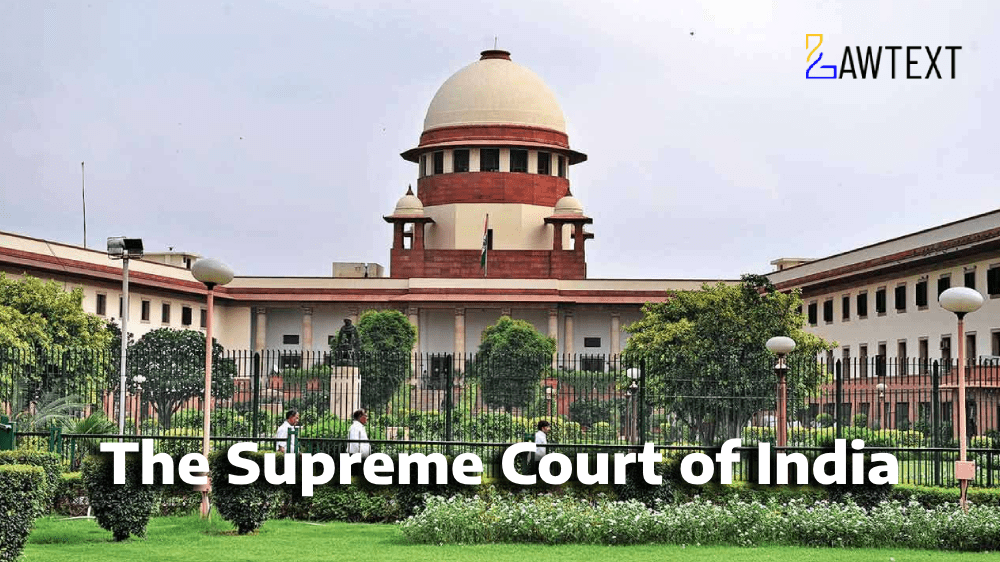
Supreme Court
Supreme Court Orders CBI Investigation in Suspicious Death Case. Ensuring Fairness and Transparency in the Investigation of a Judicial Officer's Wife's Death.
2026-05-04 10:18:10
High Court
High Court Upholds Joint Charity Commissioner’s Decision to Set Aside Provisional Acceptance of Change Report. Court Emphasizes Adherence to Principles of Natural Justice and Expeditious Decision-Making in Trust Management Disputes
2026-05-04 10:18:09




