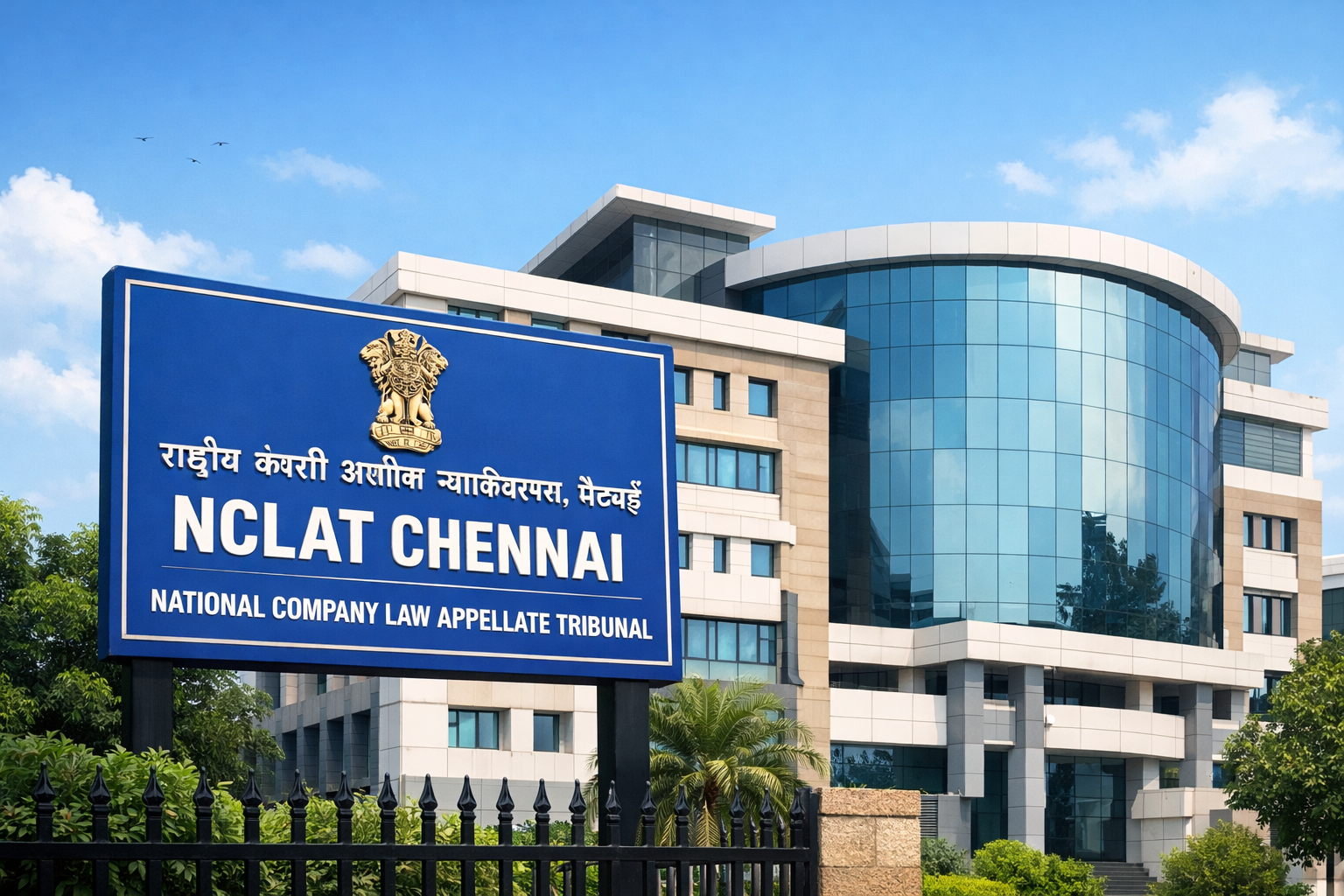
NCLAT Allows Section 7 Petition in Insolvency Case Due to Acknowledgment of Debt in Balance Sheets and Emails. Repeated acknowledgment of debt by Corporate Debtor in balance sheets and emails extends limitation period under Section 18 of Limitation Act, 1963, saving the petition from being time-barred.

Tribunals: National Company Law Appellate Tribunal Bench: CHENNAI
  • 30
Judgement Image
Font size:
Print

Case Note & Summary

The case involves an appeal filed by Akzo Nobel India Ltd. (Financial Creditor) against Stan Cars Pvt. Ltd. (Corporate Debtor) under Section 61 of the Insolvency and Bankruptcy Code, 2016, challenging the order dated 04.07.2023 of the National Company Law Tribunal, New Delhi Bench-II, which rejected the Section 7 petition filed by the Appellant solely on the ground of limitation. The Appellant had provided financial facilities to the Respondent, and the debt was acknowledged by the Respondent in its balance sheets for the financial years ending 31.03.2017, 31.03.2018, 31.03.2019, 31.03.2020, 31.03.2021, and 31.03.2022, as well as in emails exchanged between the parties. The Adjudicating Authority dismissed the petition without considering these acknowledgments. The NCLAT examined the issue of limitation and held that the acknowledgment of debt in balance sheets and emails constitutes a valid acknowledgment under Section 18 of the Limitation Act, 1963, which extends the limitation period. The Tribunal noted that the balance sheets were signed and filed by the Corporate Debtor, and the emails clearly showed acknowledgment of liability and requests for time to pay. Therefore, the petition was not barred by limitation. The NCLAT set aside the impugned order and remanded the matter back to the Adjudicating Authority for fresh consideration on merits, directing that the petition be treated as within limitation. The appeal was allowed with no order as to costs.

Headnote

A) Insolvency and Bankruptcy Code - Limitation - Section 7 Petition - Acknowledgment of Debt - The issue was whether the Section 7 petition filed by the Financial Creditor was barred by limitation. The Corporate Debtor had acknowledged the debt in its balance sheets for multiple years and in emails, which constitutes acknowledgment under Section 18 of the Limitation Act, 1963, extending the limitation period. The NCLAT held that the Adjudicating Authority erred in rejecting the petition solely on limitation grounds without considering the acknowledgments. (Paras 1-10)

B) Limitation Act - Acknowledgment - Section 18 - Balance Sheet as Acknowledgment - The Corporate Debtor's balance sheets for the years ending 31.03.2017, 31.03.2018, 31.03.2019, 31.03.2020, 31.03.2021, and 31.03.2022 showed the debt as payable, which amounts to a clear acknowledgment of liability. The NCLAT held that such acknowledgment in balance sheets, when signed and filed, is a valid acknowledgment under Section 18 of the Limitation Act, 1963, and saves the petition from limitation. (Paras 5-8)

C) Insolvency and Bankruptcy Code - Limitation - Condonation of Delay - Repeated Acknowledgment - The Appellant also relied on emails exchanged between the parties wherein the Corporate Debtor acknowledged the debt and requested time for payment. The NCLAT held that repeated acknowledgments, including those in balance sheets and emails, constitute sufficient cause for condonation of delay, and the petition is within limitation. (Paras 6-9)

Subscribe to unlock Headnote Subscribe Now

Issue of Consideration

Whether the Section 7 petition filed by the Appellant/Financial Creditor under the Insolvency and Bankruptcy Code, 2016 is barred by limitation, and whether the acknowledgment of debt by the Corporate Debtor in its balance sheets and emails extends the limitation period.

Subscribe to unlock Issue of Consideration Subscribe Now

Final Decision

The NCLAT allowed the appeal, set aside the impugned order dated 04.07.2023, and remanded the matter back to the Adjudicating Authority for fresh consideration on merits, directing that the petition be treated as within limitation. No order as to costs.

Law Points

  • Limitation
  • Acknowledgment of debt
  • Section 18 of Limitation Act
  • 1963
  • Section 7 of Insolvency and Bankruptcy Code
  • 2016
  • Condonation of delay
  • Balance sheet as acknowledgment
  • Corporate debtor's acknowledgment

Subscribe to unlock Law Points Subscribe Now

Case Details

2024 LawText (NCLAT) (01) 103

Company Appeal (AT) (Ins.) No. 1294 of 2023

2025-07-03

Indevar Pandey, Member (T)

Mr. A.S Likhari, Advocate for Appellant; Mr. Ashraf Belal, Advocate for Respondent

Akzo Nobel India Ltd.

Stan Cars Pvt. Ltd.

Subscribe to unlock Case Details (Citation, Judge, Date & more) Subscribe Now

Nature of Litigation

Appeal under Section 61 of the Insolvency and Bankruptcy Code, 2016 against rejection of Section 7 petition on limitation grounds.

Remedy Sought

The Appellant sought to set aside the impugned order and to have the Section 7 petition admitted for initiation of Corporate Insolvency Resolution Process against the Corporate Debtor.

Filing Reason

The Adjudicating Authority rejected the Section 7 petition solely on the ground of limitation without considering the acknowledgments of debt by the Corporate Debtor in balance sheets and emails.

Previous Decisions

The National Company Law Tribunal, New Delhi Bench-II, by order dated 04.07.2023 in CP (IB) No. 812/ND/2022, rejected the Section 7 petition filed by the Appellant on the ground of limitation.

Issues

Whether the Section 7 petition filed by the Appellant is barred by limitation. Whether the acknowledgment of debt by the Corporate Debtor in balance sheets and emails extends the limitation period under Section 18 of the Limitation Act, 1963.

Submissions/Arguments

The Appellant argued that the Corporate Debtor acknowledged the debt in its balance sheets for multiple years and in emails, which constitutes acknowledgment under Section 18 of the Limitation Act, 1963, extending the limitation period. The Respondent contended that the petition was barred by limitation and that the acknowledgments were not sufficient to extend the limitation period.

Ratio Decidendi

The acknowledgment of debt by a corporate debtor in its balance sheets and emails constitutes a valid acknowledgment under Section 18 of the Limitation Act, 1963, which extends the limitation period for filing a Section 7 petition under the Insolvency and Bankruptcy Code, 2016. The Adjudicating Authority must consider such acknowledgments before dismissing a petition on limitation grounds.

Judgment Excerpts

The Appellant states that the Impugned order has been passed in a mechanical manner without truly appreciating the peculiar facts of the case. The Corporate Debtor acknowledged the debt in its balance sheets for the years ending 31.03.2017, 31.03.2018, 31.03.2019, 31.03.2020, 31.03.2021, and 31.03.2022. The acknowledgment of debt in balance sheets and emails constitutes a valid acknowledgment under Section 18 of the Limitation Act, 1963, extending the limitation period.

Procedural History

The Appellant filed a Section 7 petition before the National Company Law Tribunal, New Delhi Bench-II, which was rejected by order dated 04.07.2023 on the ground of limitation. The Appellant then filed the present appeal under Section 61 of the Insolvency and Bankruptcy Code, 2016 before the National Company Law Appellate Tribunal, which allowed the appeal and remanded the matter.

Acts & Sections

  • Insolvency and Bankruptcy Code, 2016: Section 7, Section 61
  • Limitation Act, 1963: Section 18
Subscribe to unlock full Legal Analysis Subscribe Now
Related Judgement
Tribunals NCLAT Allows Section 7 Petition in Insolvency Case Due to Acknowledgment of Debt in Balance Sheets and Emails. Repeated acknowledgment of debt by Corporate Debtor in balance sheets and emails extends limitation period under Section 18 of Limitation A...
Related Judgement
High Court Bombay High Court Allows Refund of Service Tax on Onsite Work at Customer's Premises Under Export of Service Rules, 2005. The court held that onsite work at customer's premises abroad qualifies as 'Service Provided from India' under Rule 3(2)(a) of t...