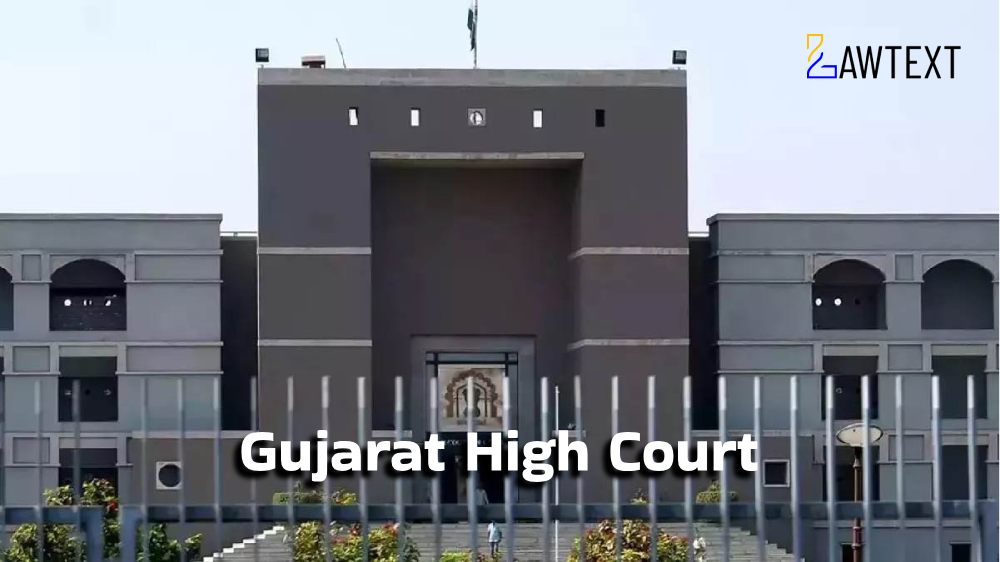
Gujarat High Court Allows State Appeal in Damages Claim for Police Inaction During Communal Riots — State Not Vicariously Liable for Acts of Private Miscreants. Police refusal to register FIR does not establish direct liability under Section 17 of the Gujarat Police Act, 1951 for property damage caused by unknown persons.

High Court: Gujarat High Court In Favour of Accused
  • 4
Judgement Image
Font size:
Print

Case Note & Summary

The case arises from a first appeal filed by the State of Gujarat and another against the judgment and decree dated 25.9.2006 passed by the learned City Civil & Sessions Court, Ahmedabad in Civil Suit No.54 of 1992, whereby the trial court decreed the suit of the plaintiff-respondent for damages of Rs.1,50,000 with interest. The plaintiff, an advocate by profession, owned a flat at Chandni Apartment, Naranpura, Ahmedabad. During the Diwali vacation in 1990, he and his family went to their native place at Viramgam. On 30th October 1990, communal riots erupted in Ahmedabad. On 31st October 1990 at around 10:30 pm, unknown miscreants broke into the plaintiff's flat, ransacked it, and set household materials on fire. The plaintiff's friend, Mr. Narendra Chowdhury, witnessed the incident and informed another friend, Mr. Dinesh Rathi, who visited the flat and found it damaged. Mr. Rathi called the police, but they did not respond. He then went to Naranpura police station to register a complaint, but PSI Mr. S.A. Panchal refused to register it. Later, after a call to the control room, PSI Panchal and a head constable visited the spot. The plaintiff filed a suit for damages of Rs.2 lacs against the State, alleging negligence and inaction by the police. The trial court decreed the suit for Rs.1,50,000. The State appealed. The High Court framed the issue of whether the State is vicariously liable for the acts of private miscreants. The court noted that the damage was caused by unknown persons, not by police officers. The police inaction, even if negligent, did not directly cause the loss. The court also found that the plaintiff failed to prove the value of the lost articles through proper evidence, as the original documents were not produced and secondary evidence was not admissible under Section 65 of the Evidence Act. The court held that the trial court's award was based on conjectures. Consequently, the appeal was allowed, the judgment and decree of the trial court were set aside, and the suit was dismissed. The cross-objection filed by the plaintiff was also dismissed.

Headnote

A) Tort Law - Vicarious Liability of State - Police Inaction - Section 17 Gujarat Police Act, 1951 - The State cannot be held vicariously liable for property damage caused by unknown private miscreants during communal riots merely because police officers refused to register a complaint. The court held that the police inaction, even if negligent, does not make the State liable for the acts of third parties in the absence of a direct nexus. (Paras 1-10)

B) Evidence Act - Proof of Documents - Section 65 Evidence Act, 1872 - Secondary evidence of documents is admissible only if the original is lost or destroyed and proper foundation is laid. The court held that the plaintiff failed to prove the loss of original documents and thus the secondary evidence was not admissible. (Paras 7-8)

C) Damages - Assessment of Compensation - Property Loss - The plaintiff claimed Rs.2 lacs for damaged household articles but failed to produce credible evidence of the value of items lost. The court held that the trial court's award of Rs.1,50,000 was based on conjectures and not on legal evidence. (Paras 6-9)

Subscribe to unlock Headnote Subscribe Now

Issue of Consideration

Whether the State is vicariously liable for damages caused by private miscreants during communal riots due to alleged police inaction in registering a complaint.

Subscribe to unlock Issue of Consideration Subscribe Now

Final Decision

Appeal allowed. The judgment and decree dated 25.9.2006 passed in Civil Suit No.54 of 1992 by the learned City Civil & Sessions Court, Ahmedabad is set aside. The suit of the plaintiff stands dismissed. Cross Objection No.172 of 2009 is dismissed.

Law Points

  • Vicarious liability of State
  • Police inaction
  • Damages for property loss
  • Section 17 Gujarat Police Act
  • 1951
  • Section 65 Evidence Act
  • 1872
Subscribe to unlock Law Points Subscribe Now

Case Details

2026:GUJHC:1749

R/First Appeal No. 3455 of 2007 with R/Cross Objection No. 172 of 2009

2026-01-06

Devan M. Desai

2026:GUJHC:1749

Mr. Chirag Upadhyay, AGP for the Appellant(s) No. 1,2; Mr. J.A. Adeshra for the Defendant(s) No. 1

State of Gujarat & Anr.

Sabbirbhai Mustanbhai Merchant

Subscribe to unlock Case Details (Citation, Judge, Date & more) Subscribe Now

Nature of Litigation

First appeal against decree of damages for property loss due to alleged police inaction during communal riots.

Remedy Sought

Appellants (State) sought to quash and set aside the judgment and decree of the trial court awarding Rs.1,50,000 damages to the plaintiff.

Filing Reason

The plaintiff claimed damages for loss of household articles due to ransacking and fire by unknown miscreants during communal riots, alleging police negligence in registering complaint.

Previous Decisions

Trial court decreed suit for Rs.1,50,000 with interest in Civil Suit No.54 of 1992 on 25.9.2006.

Issues

Whether the State is vicariously liable for damages caused by private miscreants during communal riots due to police inaction? Whether the plaintiff proved the loss and value of the damaged articles through admissible evidence?

Submissions/Arguments

Appellants argued that the damage was caused by unknown miscreants, not by police officers, and the State cannot be held vicariously liable for acts of third parties. Respondent argued that police inaction and refusal to register FIR amounted to negligence, making the State liable for the loss.

Ratio Decidendi

The State is not vicariously liable for property damage caused by private miscreants during communal riots merely because police officers refused to register a complaint. The plaintiff must prove the loss through legally admissible evidence; secondary evidence is not admissible without proof of loss of original documents.

Judgment Excerpts

The damage was caused by unknown miscreants and not by the police officers. The police inaction, even if negligent, does not make the State liable for the acts of third parties. The plaintiff failed to prove the loss of original documents and thus the secondary evidence was not admissible under Section 65 of the Evidence Act.

Procedural History

The plaintiff filed Civil Suit No.54 of 1992 in the City Civil & Sessions Court, Ahmedabad for damages of Rs.2 lacs. The suit was decreed for Rs.1,50,000 on 25.9.2006. The State filed First Appeal No.3455 of 2007 in the High Court of Gujarat. The plaintiff filed Cross Objection No.172 of 2009 seeking enhancement. The High Court heard both and delivered judgment on 6.1.2026.

Acts & Sections

  • Gujarat Police Act, 1951: Section 17
  • Indian Evidence Act, 1872: Section 65
Subscribe to unlock full Legal Analysis Subscribe Now
Related Judgement
High Court Gujarat High Court Allows State Appeal in Damages Claim for Police Inaction During Communal Riots — State Not Vicariously Liable for Acts of Private Miscreants. Police refusal to register FIR does not establish direct liability under Section 17 of ...
Related Judgement
Supreme Court Supreme Court Dismisses Operational Creditor's Appeal in Insolvency Case Due to Limitation and Pre-existing Dispute. Application Under Section 9 of Insolvency and Bankruptcy Code, 2016 Barred as Cause of Action Accrued in 2011-2012 and Dispute Over G...