
High Court Allows Writ Petition, Quashes Revenue Orders in Land Dispute, Upholds Civil Decree and Will-Based Transfer Under Gujarat Land Revenue Code

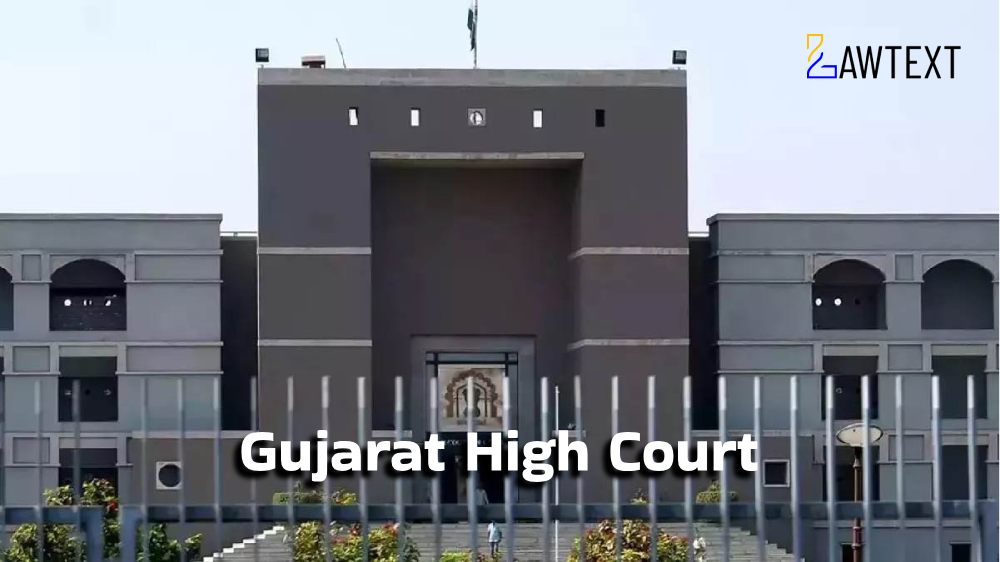
Sub Category: Gujarat High Court Bench: AHEMDABAD
  • 10
Judgement Image
Font size:
Print

Case Note & Summary

The petitioners, heirs of  Petitioner, challenged orders by revenue authorities cancelling a mutation entry and imposing penalties under Section 73AA of the Gujarat Land Revenue Code, 1879, alleging illegal transfer of tribal land to a non-tribal. The land was bequeathed to Patel via a will by Thaguyabhai Javalyabhai Gamit, a tribal, and a civil suit decree confirmed Patel's ownership through a compromise. Revenue authorities initiated suo motu proceedings, claiming violation of transfer restrictions. The High Court held that the transfer via will and decree did not constitute a 'transfer' under Section 73AA, as it was testamentary succession, not a direct transaction. The civil court decree was final and binding under res judicata, and the SSRD's remand order merged with and superseded the Collector's initial order. The court quashed the impugned orders, upholding the mutation entry and setting aside penalties, emphasizing that revenue authorities cannot override civil court decrees on title disputes.

Headnote

The High Court of Gujarat at Ahmedabad allowed a writ petition challenging orders by the Collector, Tapi and Special Secretary, Revenue Department (SSRD) that cancelled a mutation entry and imposed penalties for alleged violation of Section 73AA of the Gujarat Land Revenue Code, 1879 -- The court held that the land transfer to the petitioner occurred through a will and subsequent civil court decree, not a direct transfer, thus falling outside the scope of Section 73AA -- The principle of res judicata applied as the civil court decree had attained finality, binding revenue authorities -- The doctrine of merger rendered the Collector's initial order non-existent after SSRD's remand order -- The impugned orders were quashed as arbitrary and without jurisdiction, upholding the petitioner's ownership rights

Issue of Consideration: The Issue of Consideration was whether the revenue authorities could invalidate a land transfer based on a will and civil court decree under Section 73AA of the Gujarat Land Revenue Code, 1879, when the transfer occurred through testamentary succession rather than a direct transaction

Final Decision

The High Court allowed the writ petition, quashed and set aside the orders dated 13.07.2016 by the SSRD and 12.02.2015 by the Collector, upheld Mutation Entry No.5433, and set aside the imposed penalty of Rs.7,06,23,540/-
2026 LawText (GUJ) (01) 595

R/Special Civil Application No. 17532 of 2016

2026-01-22

Divyesh A. Joshi J.

2026:GUJHC:4775

Mr. NV Gandhi, Ms. Surbhi Bhati

Manibhai Ramjibhai Patel Deceased Through Heirs & Ors.

The Collector, Tapi & Ors.

Nature of Litigation: Writ petition under Article 226 of the Constitution of India challenging revenue orders cancelling a mutation entry and imposing penalties for alleged illegal land transfer

Remedy Sought

The petitioners sought to set aside orders dated 13.07.2016 and 12.02.2015 by the SSRD and Collector, respectively, and stay their implementation

Filing Reason

The petitioners were aggrieved by revenue orders that invalidated a mutation entry based on a will and civil court decree, claiming violation of Section 73AA of the Land Revenue Code

Previous Decisions

Civil court decree dated 13.09.2002 confirmed ownership via compromise; SSRD order dated 12.09.2012 remanded matter to Collector; Collector order dated 12.02.2015 imposed penalties; SSRD order dated 13.07.2016 dismissed revision

Issues

Whether the transfer of land via a will and civil court decree constitutes a 'transfer' under Section 73AA of the Gujarat Land Revenue Code, 1879, attracting penalties for tribal land transfer to non-tribals Whether revenue authorities can override a civil court decree on title and ownership under the principle of res judicata

Submissions/Arguments

The petitioners argued that the impugned orders were arbitrary, illegal, and perverse as the transfer occurred through testamentary succession, not a direct transaction under Section 73AA The respondents likely contended that the transfer violated Section 73AA, warranting cancellation of mutation and penalties, though specific arguments are not detailed in the provided text

Ratio Decidendi

Transfer of land through a will and subsequent civil court decree does not amount to a 'transfer' under Section 73AA of the Gujarat Land Revenue Code, 1879, as it is testamentary succession -- A civil court decree on title is final and binding on revenue authorities under the principle of res judicata -- The doctrine of merger applies where a higher authority's remand order supersedes the lower authority's initial order, rendering it non-existent

Judgment Excerpts

The land was bequeathed to the deceased writ applicant via a will executed on 06.06.1991, and a civil suit decree dated 13.09.2002 confirmed ownership through compromise The Collector initiated suo motu proceedings and imposed penalties under Section 73AA, claiming breach of transfer restrictions to non-tribals The court held that the transfer via will and decree did not fall under Section 73AA, and revenue authorities cannot invalidate a civil court decree on title

Procedural History

Will executed on 06.06.1991; Civil suit filed in 2002; Decree passed on 13.09.2002; Mutation Entry No.5433 certified on 15.09.2009; Collector initiated suo motu revision in 2010, order dated 14.10.2011; SSRD remanded matter on 12.09.2012; Collector passed order on 12.02.2015; SSRD dismissed revision on 13.07.2016; Writ petition filed in 2016; Reserved on 13.01.2026; Pronounced on 22.01.2026

Related Judgement
High Court High Court Allows Writ Petition, Quashes Revenue Orders in Land Dispute, Upholds Civil Decree and Will-Based Transfer Under Gujarat Land Revenue Code
Related Judgement
Supreme Court "Supreme Court Ensures Hygiene in Justice: Mandates Separate Toilets in All Courts" "Ensuring dignity and basic hygiene under Article 21, the Supreme Court elevates the justice system with essential sanitation reforms."



