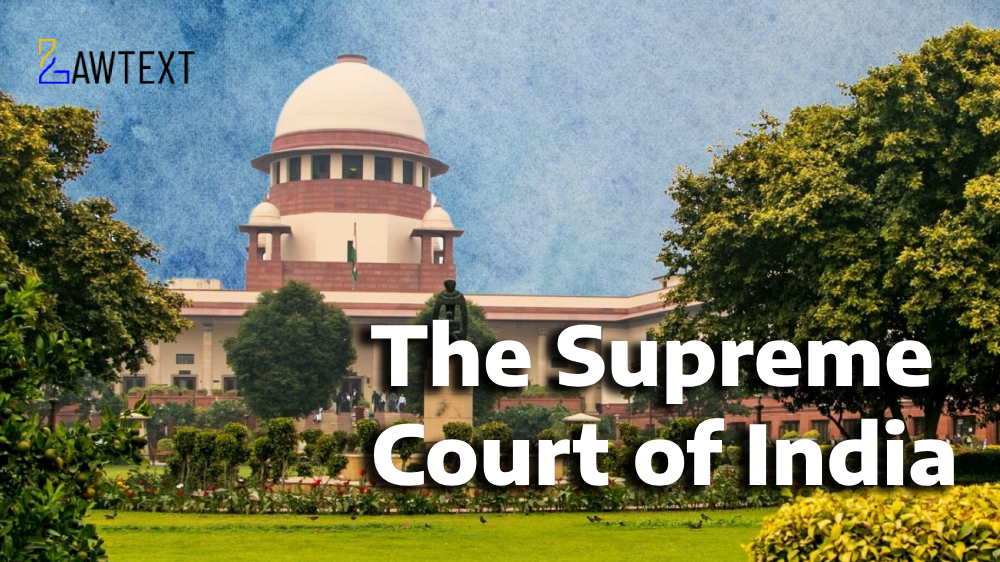
Case Note & Summary
The Supreme Court of India heard a criminal appeal against the High Court of Uttarakhand's judgment dated 13.04.2012, which upheld the Trial Court's conviction and sentence of the appellant under the Prevention of Corruption Act, 1988. The appellant, a constable in the Excise Department, was accused of demanding and accepting a bribe of Rs. 500 from the complainant, who was involved in the contraband liquor trade, to avoid legal action after a raid. The complainant filed a report, leading to a trap on 19.06.1990 where tainted currency notes were recovered from the appellant, and a chemical test confirmed the presence of phenolphthalein powder. The Trial Court convicted the appellant under Sections 7 and 13(2) of the Act, imposing rigorous imprisonment and fines, which the High Court sustained. The core legal issues were whether the High Court erred in upholding the conviction based on the evidence of the complainant and an independent witness, despite alleged contradictions, the interested nature of the witness, and the appellant's claim of being denied an opportunity to examine himself as a defence witness. The appellant argued that the complainant had a motive to falsely implicate him due to the liquor business, there were contradictions in witness statements, PW-2 was an interested witness, the trap was jointly organized, and the tainted notes were not produced. The State contended that the FIR was promptly lodged, forensic evidence supported the case, and the witnesses' testimonies were consistent and corroborated. The Court analyzed the evidence, noting that the prosecution case relied on ocular evidence from PW-1 (complainant) and PW-2 (independent witness). It found no material contradictions in their testimonies, with PW-1 providing a detailed account that withstood cross-examination. The Court rejected the argument that PW-2 was an interested witness merely due to acquaintance with the complainant, emphasizing that specific hostility must be shown. It also upheld the High Court's dismissal of the defence witness's testimony, reasoning that as a local restaurant owner, he was likely influenced by the appellant, a government servant from the same town. Regarding the opportunity to examine himself as a defence witness under Section 21 of the Act, the Court found no denial, as the appellant did not avail himself of this provision. The Court concluded that the High Court committed no error in sustaining the conviction, as the evidence was reliable and the sentence appropriate. The appeal was dismissed, affirming the conviction and sentence under the Prevention of Corruption Act, 1988.
Headnote
A) Criminal Law - Prevention of Corruption Act, 1988 - Conviction Under Sections 7 and 13(2) - Prevention of Corruption Act, 1988, Sections 7, 13(2) - Appellant, a constable, was convicted for demanding and accepting bribe from complainant involved in liquor trade - Supreme Court upheld conviction, finding no error in High Court's appreciation of evidence from complainant (PW-1) and independent witness (PW-2), with no material contradictions - Held that prosecution case rested on reliable ocular evidence, and conviction was sustainable (Paras 11-13). -- B) Evidence Law - Witness Testimony - Interested Witness Determination - Not mentioned - Defence argued PW-2 was an interested witness due to acquaintance with complainant - Court rejected this, stating mere acquaintance does not brand a witness as interested; specific material showing hostility is required - Held that PW-2's testimony was reliable and corroborated prosecution case, and no such hostility was established (Paras 14-15). -- C) Evidence Law - Defence Witness Credibility - Unreliable Testimony Due to Local Influence - Not mentioned - Defence witness, restaurant owner, denied occurrence of trap, but High Court found him untrustworthy as a local resident likely influenced by accused, a government servant from same town - Supreme Court accepted this reasoning, noting witness's testimony could not outweigh reliable prosecution evidence - Held that defence witness's version was justifiably disregarded (Paras 17). -- D) Criminal Procedure - Defence Witness Opportunity - No Denial Under Section 21 of Prevention of Corruption Act, 1988 - Prevention of Corruption Act, 1988, Section 21 - Appellant contended he was not afforded opportunity to examine himself as a defence witness per Section 21 - Court found this ground untenable, as High Court noted accused did not examine himself to rebut prosecution version - Held that no denial of opportunity occurred, and appellant failed to avail himself of the provision (Paras 18).
Issue of Consideration
Whether the High Court erred in upholding the conviction and sentence under Sections 7 and 13(2) of the Prevention of Corruption Act, 1988, based on the evidence of the complainant and an independent witness, despite alleged contradictions, interested nature of witness, and lack of opportunity for the accused to examine himself as a defence witness
Final Decision
Supreme Court dismissed the appeal, upholding the conviction and sentence under Sections 7 and 13(2) of the Prevention of Corruption Act, 1988, as passed by the Trial Court and sustained by the High Court
Law Points
- Conviction under Prevention of Corruption Act
- 1988
- Sections 7 and 13(2)
- based on ocular evidence of complainant and independent witness
- no material contradictions in testimonies
- witness not discredited as interested merely due to acquaintance
- defence witness testimony unreliable due to local influence
- no denial of opportunity to examine self as defence witness