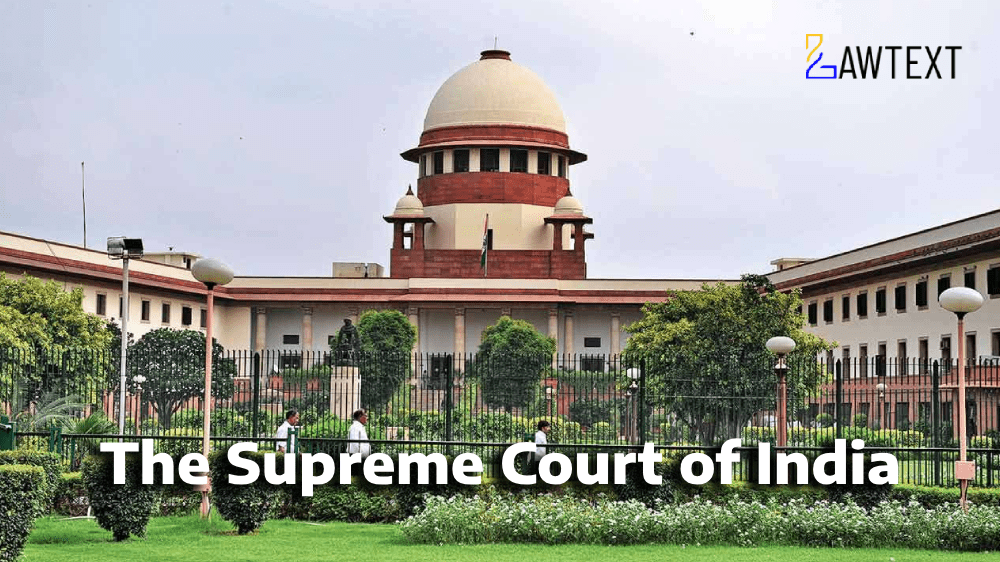
Case Note & Summary
The appeals arose from a common judgment of the Kerala High Court confirming the levy of penalty under Section 271C of the Income Tax Act, 1961 on the appellant-assessee, a software development company, for belated remittance of tax deducted at source (TDS). The assessee had deducted TDS of Rs. 1,10,41,898 for the assessment year 2003-04 but could not deposit the entire amount within the prescribed dates due to severe financial constraints. Part of the TDS was remitted in March 2003 and the balance later, with delays ranging from 5 days to 10 months. A survey on 10.03.2003 revealed the default, and the Income Tax Officer levied interest under Section 201(1A) on 02.06.2003 and 06.11.2003. Subsequently, a show cause notice was issued for penalty under Section 271C, and the Additional Commissioner levied a penalty equal to the TDS amount on 10.11.2003. The assessee appealed, arguing that the delay was due to financial difficulties and a bona fide belief that interest under Section 201(1A) was the only consequence. The Commissioner of Income Tax (Appeals) deleted the penalty, but the Income Tax Appellate Tribunal restored it. The High Court upheld the Tribunal's order. The Supreme Court allowed the appeals, holding that the assessee had demonstrated a reasonable cause under Section 273B, which provides that no penalty shall be imposable if the assessee proves that there was reasonable cause for the failure. The Court noted that the assessee had provided detailed evidence of financial constraints, including the fact that it employed 700 employees and had to prioritize salary payments. The Revenue did not rebut this evidence. The Court also observed that the assessee had already paid interest under Section 201(1A) for the delay. The Court set aside the penalty and directed the Revenue to refund any amount collected.
Headnote
A) Income Tax - Penalty under Section 271C - Reasonable Cause under Section 273B - Failure to deposit TDS within time - The assessee, a software company, deducted TDS but could not deposit it due to severe financial constraints and a bona fide belief that interest under Section 201(1A) was the only consequence. The Assessing Officer and High Court rejected the explanation and levied penalty. The Supreme Court held that the explanation constituted a reasonable cause under Section 273B, and the penalty was not sustainable. The Court emphasized that penalty under Section 271C is not automatic and the authority must consider the assessee's explanation. (Paras 1-10) B) Income Tax - Section 271C vs Section 201(1A) - Dual proceedings - The assessee was already subjected to interest under Section 201(1A) for the same default. The Court noted that while both provisions can apply, the levy of penalty under Section 271C requires a finding of failure without reasonable cause. The existence of interest proceedings does not bar penalty, but the assessee's explanation must be examined independently. (Paras 5-8) C) Income Tax - Burden of proof - Reasonable cause - The burden is on the assessee to show that there was a reasonable cause for the failure. In this case, the assessee provided detailed evidence of financial difficulties and a bona fide belief. The Revenue failed to rebut this evidence. The Court held that the explanation was sufficient to discharge the burden. (Paras 6-9)
Issue of Consideration
Whether the levy of penalty under Section 271C of the Income Tax Act, 1961 for failure to deposit TDS within the prescribed time is sustainable when the assessee had a reasonable cause for the delay, and whether the High Court was justified in confirming the penalty without properly appreciating the explanation of the assessee.
Final Decision
Appeals allowed. The impugned judgment of the High Court and the order of penalty under Section 271C are set aside. The Revenue is directed to refund any amount collected pursuant to the penalty order.
Law Points
- Penalty under Section 271C is not automatic
- reasonable cause under Section 273B must be considered
- Financial difficulty and bona fide belief can constitute reasonable cause
- Burden on assessee to show reasonable cause
- Mens rea not required but conduct relevant