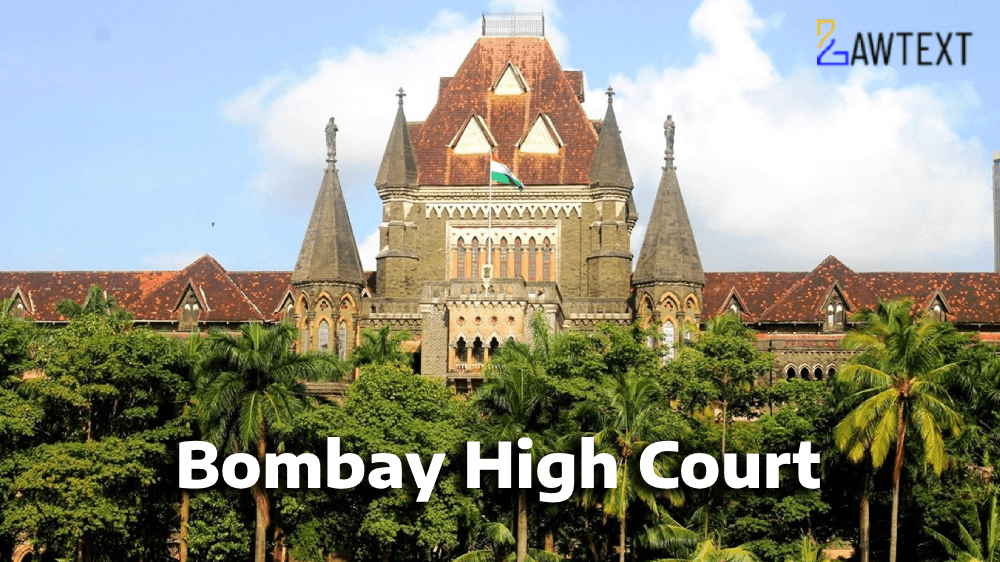
Bombay High Court Dismisses Employer's Petition to Refer Industrial Dispute to Arbitration — Industrial Disputes Under I.D. Act Are Not Arbitrable. The court held that disputes under Section 33(C)(2) of the Industrial Disputes Act, 1947 for recovery of wages cannot be referred to arbitration under Section 8 of the Arbitration and Conciliation Act, 1996.

High Court: Bombay High Court Bench: AURANGABAD In Favour of Accused
  • 78
Judgement Image
Font size:
Print

Case Note & Summary

The petitioner, Kingfisher Airlines Limited, a public limited company in the air transport industry, filed three writ petitions challenging the rejection of its applications under Section 8 of the Arbitration and Conciliation Act, 1996 by the Central Government Industrial Tribunal-cum-Labour Court (CGIT-cum-Labour Court). The respondents, Capt. Prithvi Malhotra, Capt. Samir Sheopari, and Capt. Carl Wykes, were pilots employed by the petitioner. They had filed applications under Section 33(C)(2) of the Industrial Disputes Act, 1947 (I.D. Act) read with Rule 62(2) of the Industrial Disputes (Central) Rules, 1957, seeking recovery of their earned wages and interest at 18% per annum under the Payment of Wages Act. The petitioner entered appearance and filed applications under Section 8 of the Arbitration Act, arguing that the employment contracts contained arbitration clauses and that the disputes should be referred to arbitration. The CGIT-cum-Labour Court rejected these applications, leading to the present writ petitions. The common question of law was whether an industrial dispute or a dispute relating to enforcement of a right or obligation created under the I.D. Act is arbitrable. The court held that disputes arising under the I.D. Act, which involve enforcement of statutory rights and obligations, are not arbitrable and must be adjudicated by the forums created under the I.D. Act. The court reasoned that the I.D. Act is a social welfare legislation that provides a comprehensive mechanism for resolution of industrial disputes, and allowing private arbitration would defeat its purpose. The court also noted that Section 33(C)(2) provides a statutory remedy for recovery of wages that cannot be ousted by an arbitration agreement. Accordingly, the writ petitions were dismissed, and the CGIT-cum-Labour Court was directed to proceed with the applications under Section 33(C)(2).

Headnote

A) Arbitration Law - Arbitrability of Industrial Disputes - Section 8 Arbitration and Conciliation Act, 1996 read with Industrial Disputes Act, 1947 - The court considered whether an industrial dispute under the I.D. Act can be referred to private arbitration - Held that disputes arising under the I.D. Act, which involve enforcement of statutory rights and obligations, are not arbitrable and must be adjudicated by the forums created under the I.D. Act (Paras 1, 10-15).

B) Industrial Disputes Act - Recovery of Wages - Section 33(C)(2) Industrial Disputes Act, 1947 - The respondents, pilots employed by the petitioner, filed applications under Section 33(C)(2) for recovery of earned wages and interest - The petitioner sought to refer the dispute to arbitration under Section 8 of the Arbitration Act - Held that the remedy under Section 33(C)(2) is a statutory remedy that cannot be ousted by an arbitration agreement (Paras 2, 16-18).

Subscribe to unlock Headnote Subscribe Now

Issue of Consideration

Whether an industrial dispute or a dispute relating to enforcement of a right or obligation created under the Industrial Disputes Act, 1947 is arbitrable under the Arbitration and Conciliation Act, 1996.

Subscribe to unlock Issue of Consideration Subscribe Now

Final Decision

The writ petitions were dismissed. The court held that industrial disputes under the I.D. Act are not arbitrable and the CGIT-cum-Labour Court was directed to proceed with the applications under Section 33(C)(2) of the I.D. Act.

Law Points

  • Industrial disputes under Industrial Disputes Act
  • 1947 are not arbitrable
  • Section 8 of Arbitration and Conciliation Act
  • 1996 cannot be invoked for disputes under I.D. Act
  • Section 33(C)(2) of I.D. Act provides exclusive remedy for recovery of wages

Subscribe to unlock Law Points Subscribe Now

Case Details

2012 LawText (BOM) (11) 24

Writ Petition No. 2585 of 2012, Writ Petition No. 2586 of 2012, Writ Petition No. 2587 of 2012

2012-11-20

Smt. R.P. Sondurbaldota, J.

Mr. N.H. Seervai, Senior Advocate a/w. Mr. Rohan Cama and Mr. Navraj Jalota i/by. Bachubhai Munim & Co., Advocate for the petitioner; Mr. S.C. Naidu with Mr. Saurabh Kulkarni i/by. C.S. & Co., Advocate for the respondent

Kingfisher Airlines Limited

Capt. Prithvi Malhotra, Capt. Samir Sheopari, Capt. Carl Wykes

Subscribe to unlock Case Details (Citation, Judge, Date & more) Subscribe Now

Nature of Litigation

Writ petitions challenging rejection of applications under Section 8 of Arbitration and Conciliation Act, 1996 to refer industrial disputes to arbitration.

Remedy Sought

The petitioner sought to set aside the order of the CGIT-cum-Labour Court rejecting its applications under Section 8 of the Arbitration Act and to refer the disputes to arbitration.

Filing Reason

The petitioner filed applications under Section 8 of the Arbitration Act arguing that the employment contracts contained arbitration clauses and that the disputes should be referred to arbitration instead of being adjudicated under Section 33(C)(2) of the I.D. Act.

Previous Decisions

The CGIT-cum-Labour Court rejected the petitioner's applications under Section 8 of the Arbitration Act, leading to the filing of the writ petitions.

Issues

Whether an industrial dispute or a dispute relating to enforcement of a right or obligation created under the Industrial Disputes Act, 1947 is arbitrable under the Arbitration and Conciliation Act, 1996.

Submissions/Arguments

The petitioner argued that the employment contracts contained arbitration clauses and that the disputes should be referred to arbitration under Section 8 of the Arbitration Act. The respondents argued that the disputes under Section 33(C)(2) of the I.D. Act are statutory in nature and cannot be referred to private arbitration.

Ratio Decidendi

Disputes arising under the Industrial Disputes Act, 1947, which involve enforcement of statutory rights and obligations, are not arbitrable under the Arbitration and Conciliation Act, 1996. The I.D. Act provides a comprehensive mechanism for resolution of industrial disputes, and allowing private arbitration would defeat its purpose. Section 33(C)(2) provides a statutory remedy for recovery of wages that cannot be ousted by an arbitration agreement.

Judgment Excerpts

The common question of law, that arises for consideration in the above three petitions is, whether a industrial dispute or a dispute relating to enforcement of a right or an obligation created under the Industrial Disputes Act, (the I.D. Act for short) is arbitrable, i.e. capable of being adjudicated by a private forum of an arbitrator. All the respondents have filed applications under Section 33(C)(2) of the I.D. Act read with Rule 62(2) of the Industrial Disputes (Central) Rules, 1957 in CGIT-cum-Labour Court for recovery of their earned wages.

Procedural History

The respondents filed applications under Section 33(C)(2) of the I.D. Act before the CGIT-cum-Labour Court. The petitioner entered appearance and filed applications under Section 8 of the Arbitration Act. The CGIT-cum-Labour Court rejected the applications. The petitioner filed three writ petitions before the Bombay High Court challenging the rejection. The High Court dismissed the writ petitions.

Acts & Sections

  • Arbitration and Conciliation Act, 1996: Section 8
  • Industrial Disputes Act, 1947: Section 33(C)(2)
  • Industrial Disputes (Central) Rules, 1957: Rule 62(2)
  • Payment of Wages Act, 1936:
Subscribe to unlock full Legal Analysis Subscribe Now
Related Judgement
High Court Bombay High Court Dismisses Employer's Petition to Refer Industrial Dispute to Arbitration — Industrial Disputes Under I.D. Act Are Not Arbitrable. The court held that disputes under Section 33(C)(2) of the Industrial Disputes Act, 1947 for recover...
Related Judgement
High Court Bombay High Court Quashes 31-Year-Old Rape Allegation, Citing Consensual Relationship. A 31-year delay in filing a rape case leads to the quashing of the FIR by the Bombay High Court, which found the relationship consensual.