
High Court Dismisses Writ Petition Challenging Anganwadi Worker Appointment After 13-Year Delay. Court Refused to Exercise Discretionary Jurisdiction Under Article 226 of Constitution of India Due to Delay and Laches, and Found Petitioner Was Not Resident of Relevant Area as Required Under Appointment Scheme.
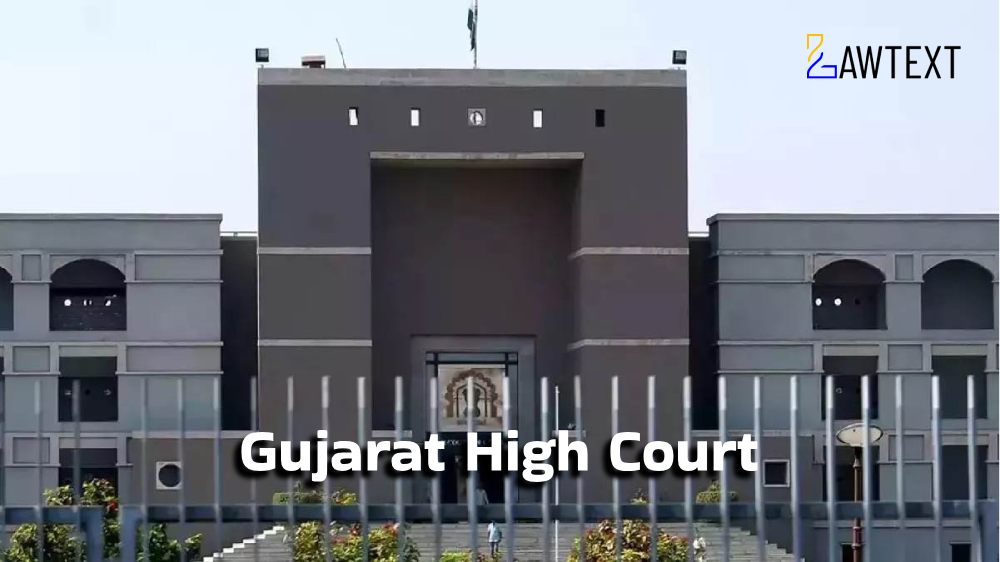
High Court: Gujarat High Court Bench: AHEMDABAD
  • 346
Judgement Image
Font size:
Print

Case Note & Summary

The dispute involved a writ petition filed under Article 226 of the Constitution of India challenging the appointment of respondent No. 6 as an Anganwadi worker in Had Faliya, Anganwadi center in Village Bugad, Taluka Santrampur, District Panchmahals. The petitioner sought to quash the appointment and secure her own appointment, claiming she was more meritorious and that her candidature was wrongly rejected on residence grounds. The appointment had been made in 2013, and the petition was filed in 2013 but heard in 2026, resulting in a 13-year delay. The petitioner argued that she was a resident of Had Faliya and more meritorious than respondent No. 6, while the respondents opposed the petition on grounds of delay and asserted that respondent No. 6 was the rightful resident of Had Faliya, whereas the petitioner was from Toran Faliya and had submitted an altered certificate. The court analyzed the facts, noting the petitioner's certificate showed overwriting and that village complaints confirmed she was not a resident of Had Faliya. The court emphasized the principle of delay and laches, reasoning that after 13 years, it would be inappropriate to disturb the settled appointment of respondent No. 6. Consequently, the court dismissed the petition, discharging the rule and awarding no costs.

Headnote

A) Constitutional Law - Writ Jurisdiction - Delay and Laches - Constitution of India, 1950, Article 226 - Petitioner challenged appointment of Anganwadi worker made in 2013 after 13 years - Court declined to exercise discretionary jurisdiction to disturb settled appointment after such long passage of time - Held that it would not be appropriate to interfere with appointment after efflux of 13 years (Paras 6-9).

B) Service Law - Anganwadi Worker Appointment - Residence Criteria - Not mentioned - Petitioner claimed she was more meritorious and resident of Had Faliya for which advertisement was published - Court found petitioner was resident of Toran Faliya, not Had Faliya, and certificate showed overwriting - Village people also complained about petitioner's claim - Held that petitioner was not resident of Had Faliya for which advertisement was published (Paras 6-8).

Subscribe to unlock Headnote Subscribe Now

Issue of Consideration

Whether the High Court should exercise its discretionary jurisdiction under Article 226 of the Constitution of India to quash the appointment of an Anganwadi worker made in 2013 after a passage of 13 years, and whether the petitioner's claim of being more meritorious and a resident of the relevant area was valid

Subscribe to unlock Issue of Consideration Subscribe Now

Final Decision

The writ petition was dismissed. Rule was discharged. No order as to costs.

Law Points

  • Delay and laches in challenging public appointments
  • judicial restraint in disturbing settled appointments after long passage of time
  • requirement of residence criteria for Anganwadi worker positions
  • exercise of discretionary jurisdiction under Article 226 of Constitution of India

Subscribe to unlock Law Points Subscribe Now

Case Details

2026 LawText (GUJ) (01) 558

R/Special Civil Application No. 9515 of 2013

2026-01-27

Maulik J. Shelat J.

2026:GUJHC:5446

Mr. Zubin F Bharda, Mr. Siddhartha Rami, Mr. IH Syed, Mr. Jayraj Chauhan, Mr. UM Shastri

Premilaben Dhanabhai Bhabhor and wife of Narvatbhai Savabhai Damor

State of Gujarat & Ors.

Subscribe to unlock Case Details (Citation, Judge, Date & more) Subscribe Now

Nature of Litigation

Writ petition under Article 226 of the Constitution of India challenging appointment of Anganwadi worker

Remedy Sought

Petitioner sought to quash appointment of respondent No. 6 as Anganwadi worker and secure her own appointment

Filing Reason

Petitioner claimed she was more meritorious and her candidature was wrongly rejected on residence grounds

Issues

Whether the High Court should exercise its discretionary jurisdiction under Article 226 to quash the appointment after 13 years Whether the petitioner was a resident of Had Faliya and more meritorious than respondent No. 6

Submissions/Arguments

Petitioner argued she was more meritorious and resident of Had Faliya Respondents opposed on grounds of delay and asserted respondent No. 6 was rightful resident, petitioner's certificate showed overwriting

Ratio Decidendi

The High Court should not exercise its discretionary jurisdiction under Article 226 to disturb a settled appointment after a passage of 13 years due to delay and laches, especially when the petitioner was not a resident of the relevant area as required under the appointment scheme.

Judgment Excerpts

The present writ petition is filed under Article 226 of the Constitution of India this Court would not like to interfere with the appointment of respondent No. 6 it would not be appropriate for this Court to disturb the appointment of respondent No. 6 after efflux of 13 years by now

Procedural History

Writ petition filed in 2013 challenging appointment made in 2013, heard in 2026 after 13 years delay

Acts & Sections

  • Constitution of India, 1950: Article 226
Subscribe to unlock full Legal Analysis Subscribe Now
Related Judgement
High Court High Court Dismisses Writ Petition Challenging Anganwadi Worker Appointment After 13-Year Delay. Court Refused to Exercise Discretionary Jurisdiction Under Article 226 of Constitution of India Due to Delay and Laches, and Found Petitioner Was Not Res...

Related Judgement
Supreme Court Supreme Court Modifies Conviction from Murder to Culpable Homicide in Sudden Fight Case Under Section 304 Part II IPC. Caste-Based Atrocity Conviction Set Aside as Offence Not Committed Solely on Ground of Victim's Caste Under Section 3(2)(v) of SC/S...

