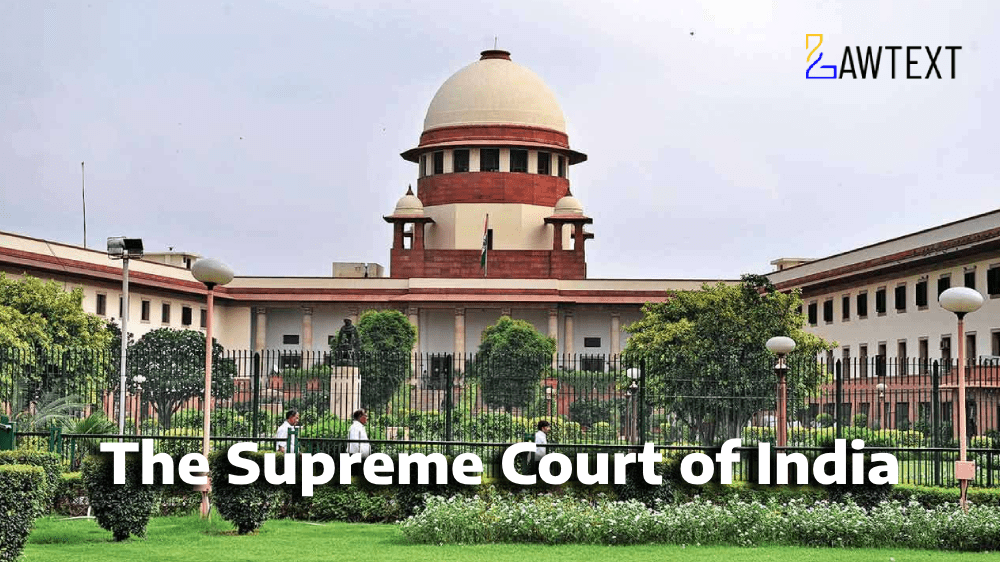
Supreme Court Strikes Down Section 87 of Arbitration Act as Unconstitutional — Automatic Stay of Arbitral Awards Revived by 2019 Amendment Held Arbitrary and Violative of Article 14. The court held that the provision reintroducing automatic stay upon filing of a Section 34 application is manifestly arbitrary and contrary to the object of the 2015 Amendment Act.

  • 11
Judgement Image
Font size:
Print

Case Note & Summary

The judgment concerns a batch of writ petitions challenging the constitutional validity of Section 87 of the Arbitration and Conciliation Act, 1996, inserted by the Arbitration and Conciliation (Amendment) Act, 2019, and the repeal of Section 26 of the 2015 Amendment Act. The petitioners, led by Hindustan Construction Company Limited, are infrastructure contractors who obtain arbitral awards against government bodies but face automatic stays when those awards are challenged under Section 34. The 2015 Amendment had removed the automatic stay, but the 2019 Amendment revived it for pending court proceedings. The petitioners argued that Section 87 is manifestly arbitrary, violates Articles 14, 19(1)(g), 21, and 300-A of the Constitution, and defeats the object of the Arbitration Act. They also challenged provisions of the Insolvency and Bankruptcy Code, 2016, arguing that government bodies should be treated as corporate persons to allow insolvency proceedings against them. The court, after hearing arguments, struck down Section 87 as unconstitutional, holding that it reintroduces automatic stays in a manner that is arbitrary and contrary to the UNCITRAL Model Law and the 2015 Amendment's objectives. The court also noted that the provision impairs the right to carry on business under Article 19(1)(g) and is disproportionate. The challenge to the Insolvency Code provisions was not finally decided in this judgment.

Headnote

A) Constitutional Law - Article 14 - Manifest Arbitrariness - Section 87 of the Arbitration and Conciliation Act, 1996 - The provision reintroducing automatic stay of arbitral awards upon filing of a Section 34 application was held manifestly arbitrary as it defeats the object of the 2015 Amendment Act, which sought to eliminate automatic stays, and is contrary to the UNCITRAL Model Law. The court held that the provision is violative of Article 14 of the Constitution. (Paras 1-10)

B) Arbitration Law - Automatic Stay - Section 36 of the Arbitration and Conciliation Act, 1996 - The court noted that prior to the 2015 Amendment, Section 36 was construed to grant an automatic stay, but the 2015 Amendment removed this. Section 87 of the 2019 Amendment sought to revive automatic stays for pending court proceedings, which was struck down as unconstitutional. (Paras 6-7)

C) Constitutional Law - Article 19(1)(g) - Right to Carry on Business - Section 87 was held to disproportionately impair the right of award-holders to enforce arbitral awards, causing financial hardship and potentially triggering insolvency proceedings, thus violating Article 19(1)(g). (Paras 7-10)

D) Insolvency Law - Definition of Corporate Person - Section 3(7) of the Insolvency and Bankruptcy Code, 2016 - The court considered whether government bodies other than government companies should be included within the definition of 'corporate person' to avoid discriminatory treatment, but the judgment does not finally decide this issue. (Para 8)

Subscribe to unlock Headnote Subscribe Now

Issue of Consideration

Whether Section 87 of the Arbitration and Conciliation Act, 1996, as inserted by the 2019 Amendment Act, is constitutionally valid; and whether the repeal of Section 26 of the 2015 Amendment Act by Section 15 of the 2019 Amendment Act is valid; and whether certain provisions of the Insolvency and Bankruptcy Code, 2016 result in discriminatory treatment.

Subscribe to unlock Issue of Consideration Subscribe Now

Final Decision

The court struck down Section 87 of the Arbitration and Conciliation Act, 1996 as unconstitutional. The challenge to the Insolvency Code provisions was not finally decided.

Law Points

  • Constitutional validity of Section 87 of Arbitration and Conciliation Act
  • 1996
  • Automatic stay of arbitral awards
  • Retrospective application of amendments
  • Article 14
  • Article 19(1)(g)
  • Article 21
  • Article 300-A
  • Insolvency and Bankruptcy Code
  • 2016
  • Section 3(7) definition of corporate person

Subscribe to unlock Law Points Subscribe Now

Case Details

2019 LawText (SC) (11) 70

Writ Petition (Civil) No. 1074 of 2019

2019-11-27

R.F. Nariman, J.

Dr. Abhishek Manu Singhvi, Senior Advocate for Petitioner No.1

Hindustan Construction Company Limited & Anr.

Union of India & Ors.

Subscribe to unlock Case Details (Citation, Judge, Date & more) Subscribe Now

Nature of Litigation

Writ petitions challenging constitutional validity of Section 87 of the Arbitration and Conciliation Act, 1996, and certain provisions of the Insolvency and Bankruptcy Code, 2016.

Remedy Sought

Declaration that Section 87 of the Arbitration Act, 1996 is unconstitutional; reading down of Section 3(7) of the Insolvency Code to include government bodies.

Filing Reason

Petitioners, award-holders against government bodies, face automatic stay of arbitral awards under Section 87, causing financial hardship and potential insolvency.

Previous Decisions

BCCI v. Kochi Cricket Pvt. Ltd. (2018) 6 SCC 287 held that automatic stay provision would be contrary to the object of the 2015 Amendment Act.

Issues

Whether Section 87 of the Arbitration and Conciliation Act, 1996 is constitutionally valid. Whether the repeal of Section 26 of the 2015 Amendment Act by Section 15 of the 2019 Amendment Act is valid. Whether certain provisions of the Insolvency and Bankruptcy Code, 2016 result in discriminatory treatment.

Submissions/Arguments

Petitioners argued that Section 87 is manifestly arbitrary, violates Articles 14, 19(1)(g), 21, and 300-A, and defeats the object of the 2015 Amendment Act. Petitioners argued that the provision revives automatic stay contrary to the UNCITRAL Model Law and the BCCI judgment. Petitioners argued that government bodies should be included within the definition of 'corporate person' under the Insolvency Code to avoid discriminatory treatment.

Ratio Decidendi

Section 87 of the Arbitration and Conciliation Act, 1996 is manifestly arbitrary and violative of Article 14 of the Constitution as it reintroduces automatic stay of arbitral awards, defeating the object of the 2015 Amendment Act and the UNCITRAL Model Law, and disproportionately impairs the right to carry on business under Article 19(1)(g).

Judgment Excerpts

Section 87 flies in the face of not only the object of the Arbitration Act, 1996 as a whole and the objects for enacting the 2015 Amendment Act, but is also contrary to Section 35 of the Arbitration Act, 1996. The provision is manifestly arbitrary and violative of Article 14 of the Constitution.

Procedural History

Writ petitions filed directly before the Supreme Court challenging the constitutional validity of Section 87 of the Arbitration Act, 1996 and certain provisions of the Insolvency Code. The court heard arguments and delivered judgment.

Acts & Sections

  • Arbitration and Conciliation Act, 1996: Section 34, Section 35, Section 36, Section 37, Section 87
  • Arbitration and Conciliation (Amendment) Act, 2015: Section 26
  • Arbitration and Conciliation (Amendment) Act, 2019: Section 13, Section 15
  • Insolvency and Bankruptcy Code, 2016: Section 3(7), Section 3(23)(g)
  • Code of Civil Procedure, 1908: Order XLI Rule 5
  • Constitution of India: Article 14, Article 19(1)(g), Article 21, Article 300-A
Subscribe to unlock full Legal Analysis Subscribe Now
Related Judgement
Supreme Court Supreme Court Strikes Down Section 87 of Arbitration Act as Unconstitutional — Automatic Stay of Arbitral Awards Revived by 2019 Amendment Held Arbitrary and Violative of Article 14. The court held that the provision reintroducing automatic stay up...
Related Judgement
Supreme Court Supreme Court Sets Aside Specific Performance in a Property Dispute. Equitable relief denied due to buyer's conduct and financial incapacity.